The Score
Sneakers' burden on landfills may be reduced by a biodegrading sole material
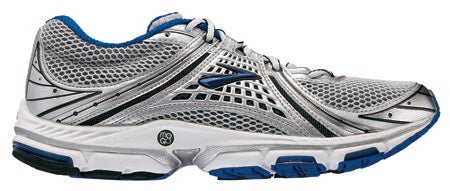
You've ditched your Hummer, recycle with a vengeance, and read your Hemingway by candlelight. But what kind of shoes are you wearing? Brooks Running launched a shoe this week containing its new midsole, called BioMoGo, which degrades 50 times faster than a normal one. According to Brooks, a standard shoe can last 1000 years in landfill, while BioMoGo will be gone in just 20. Brooks estimates it will save 30 million pounds of landfill waste over a 20-year period.

The technology relies on a non-toxic additive that encourages anaerobic microbes to break down the midsole. The degradation requires low oxygen, adequate moisture, and high microbial load, so the critters won't start eating your shoes before you're ready, unless conditions in your closet are quasi-landfill-esque. Testing, with 200 runners running up to 550 miles each, has showed that the additive doesn't decrease shoes' durability.

Attention to greening the shoe business isn't new. Nike has long offered a recycling program that takes any brand of shoes and turns them into sport courts for underprivileged communities. Brooks uses a "planet-friendly" box and rubber in addition to the high-tech midsole.

The Trance 8 ($140) is the first shoe to incorporate the new sole, but Brooks plans for its entire line to go green by the end of 2009.

A standard sole after one year in landfill:  Brooks

The BioMoGo sole after one year in landfill:  Brooks

1 Comment

I am a two time Olympic runner, that also have a small non-commercial running shoes information site called http://www.runningshoeswizard.com

What will be interesting with this new material is not only the durability of these new shoes (that is tested with the test-runners) but also the influence of a midsole material change on running related injuries.

Fact is that the midsole is the most important component in controlling pronation, the inward movement runners experience in the landing.

Changing this midsole to a different material can influence this pronation control and therefore an increase risk of injuries. If they succeed, though, it will be a great step in the right direction environmentally.

regards,
Marius Bakken


Download Our iPhone App

Stay up to date on the latest news of the future of science and technology from your iPhone with full articles, images and offline viewing


Grab the Tech Buyer's Guide iPhone App

Carry everything you need to make a smart buy on HDTVs, cameras and 14 other product categories right in your pocket


Follow Us On Twitter

Featuring every article from the magazine and website, plus links from around the Web. Also see our PopSci DIY feed


Become a Fan On Facebook

Share links with friends, comment on stories and more


March 2010: Aerobot Invasion

A field guide to the world's newest and most spectacular unmanned aircraft (supplemented online with a guide to current systems), plus reports from the frontiers of medicine, the definitive word on cellphone radiation and more.

Read the issue here.

Popular Science Photo Pool


Share your photos in the Pop Sci pool at www.flickr.com!