IBM Creates DNA-Sequencing Microchips In Race To The $1000 Genome
Like many other aspects of health care, the implementation of personal genetic medicine has run aground against the costs of...
Like many other aspects of health care, the implementation of personal genetic medicine has run aground against the costs of producing an entire genome. Even now, a decade after the completion of the Human Genome Project, commercial whole genome sequencing can cost as much as $100,000. And at that price, the sequencing just isn’t worth the benefits.
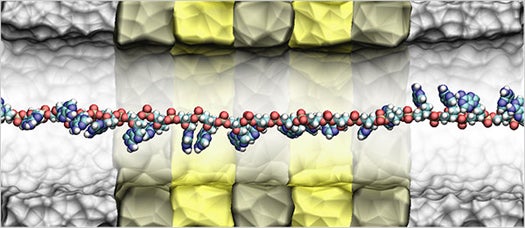
But IBM hopes to change all that. IBM scientists have developed what they call a “DNA transistor”. The transistor is a tube only a couple of atoms in diameter that pulls the DNA through, while sensors in the walls of the tube read the base pairs. This process simulates natural protein pores in cells that evolve specifically to read DNA strands. By running an entire genome through the tube, IBM hopes to lower the cost of sequencing an entire genome down to $1,000.
IBM, best known as a computer and industrial machine company, entered the field because of an emerging view of genetic medicine as a kind of information technology. IBM has a great deal of experience in information technology, and figures it could easily take the lead in this new market.
However, opposing the optimism about genetic medicine is increasing evidence that a genome itself does not control medical outcomes as much as previously thought. While genetics certainly plays an important role in determining susceptibility, more and more studies show that diet, environment, and even viruses have a dominant role in causing diseases like cancer and diabetes.
While the push and pull over the value of genetic medicine continues, reducing the the price of genome sequencing can only help bring the age of genetic medicine closer to fruition. After all, if genetic medicine turns out to provide very little help to doctors, it might still find its way into the ER if that help can be purchased for a very low price.
[via the BBC and The New York Times]