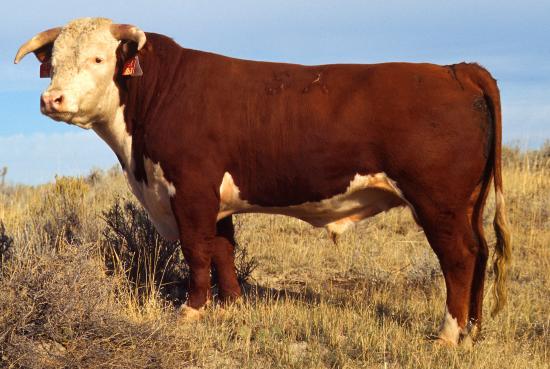
A company has developed an engine oil made from beef tallow, which is currently sold for two- and four-cycle engines and auto racing, but is pending approval for use in cars. I'm curious, though, how beef tallow is otherwise used or disposed of. If you know, post a comment below.
Also in today's links: communities plot their futures, and how we know your best judgment prompted you to read this. Plus, amazing pictures.
Five amazing, clean technologies that will set us free, in this month's energy-focused issue. Also: how to build a better bomb detector, the robotic toys that are raising your children, a human catapult, the world's smallest arcade, and much more.


Online Content Director: Suzanne LaBarre | Email
Senior Editor: Paul Adams | Email
Associate Editor: Dan Nosowitz | Email
Assistant Editor: Colin Lecher | Email
Assistant Editor: Rose Pastore | Email
Contributing Writers:
Kelsey D. Atherton | Email
Francie Diep | Email
Shaunacy Ferro | Email
I use tallow from my local butcher as a "filler" when making sausage from lean meats such as venison and sometimes pork depending on the fat content of the grind. It makes the meat more cookable and also makes it juicier then it would be with out it.
Traditionally, the tallow is used in the production of soap,
from pioneer days to today.
Cows only taste well with the masking of spices and heating - A pathological process only One spieces in the world performs.
"Cows only taste well with the masking of spices and heating - A pathological process only One spieces in the world performs."
Someone should inform mountain lions, crocodiles, alligators, wolves,... heck, every known predator and scavenger species on the planet.
I don't think they know about the spices and heating connection; they pretty much just tear into that ole cow meat.
MMMMMM Good!
Tallow (and unprocessed lard to a lesser extent)) is 50% monounsaturated fat, 4% polyunsaturated fat, 0% transfat, and 1/3rd less cholesterol than butter, making it fairly healthy to use in cooking. It has a high smoke point and it tastes great, too, doesn't need refrigeration, and lasts for months when sealed (lard needs to be refrigerated). Many bakers and pastry chefs who don't want transfats in their foods have gone back to using tallow and lard in their goods and it's often used in making sausages, wursts, and pates (see those little white flecks in your pepperoni and salami?). Cooks and grillers also use it to "season" their cast iron pans, cookware, racks, and smokers.
Tallow/lard is also used in making animal feed, soap, glycerin, salt, bird food (suet), candles, lamp oil, oleochemical production, lotions, cosmetics, shave creams, tanning, leather conditioning, gun lubrication, as lubrication in the steel-rolling industry, biodiesel, motor oil, cutting fluid in machining, and even as flux in soldering.
The use of tallow or lard to lubricate rifles was the spark that started the Indian Rebellion of 1857. To load the new Pattern 1853 Enfield Rifle, the sepoys had to bite the cartridge open. It was believed that the paper cartridges that were standard issue with the rifle were greased with lard (pork fat) which was regarded as unclean by Muslims, or tallow (beef fat), regarded as sacred to Hindus. Tallow, along with beeswax, was also used in the creation of lubricant for American Civil War ammunition used in the Springfield Rifle Musket.
PS: If you enjoy "cracklings" and pork rinds, then you've eaten the by-product of commercial lard and tallow rendering.