O’Reilly Introduces Mathematica-based Online Math Classes
PopSci columnist Theo Gray (who developed Wolfram's Mathematica software) comments on the new program
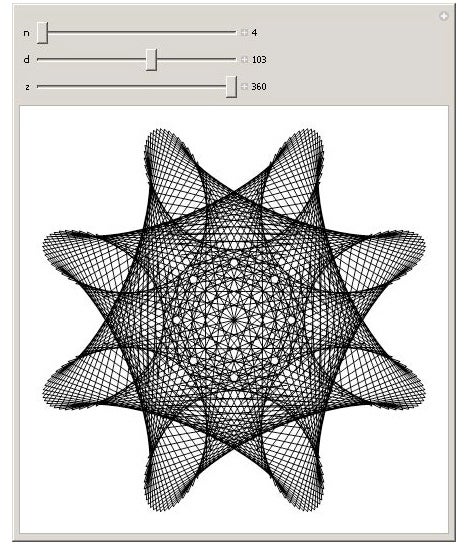
American math and science education is a mess. I know a guy who came to America after going to school in the basements of bombed out buildings during the Lebanese civil war. He was better prepared for college than American high school students of the same age.
The O’Reilly Publishing company recently announced an interesting new idea aimed to improve education opportunities in this country and beyond. Their School of Technology will soon be debuting a Web browser-based version of my product, Mathematica, a powerful technical computing and education software which will be used to teach math and science topics online.
The idea of deploying an application as sophisticated as Mathematica through a Web browser is interesting, but I think it will be even more interesting to see how O’Reilly, which in the past has concentrated on technology courses (e.g Java and PHP programming, etc), does with teaching more traditional subjects like calculus.
Online education has a lot of problems: Much of it consists of reading through boring pages of text and then answering stupid multiple choice questions. O’Reilly will instead use the power of Mathematica to let students to do real interactive work in math and science, giving a genuine educational experience, rather than an exercise in rote exercises.
If they can really do online education better for traditional subjects like calculus, it could be the start of big changes in how math and science education is done.