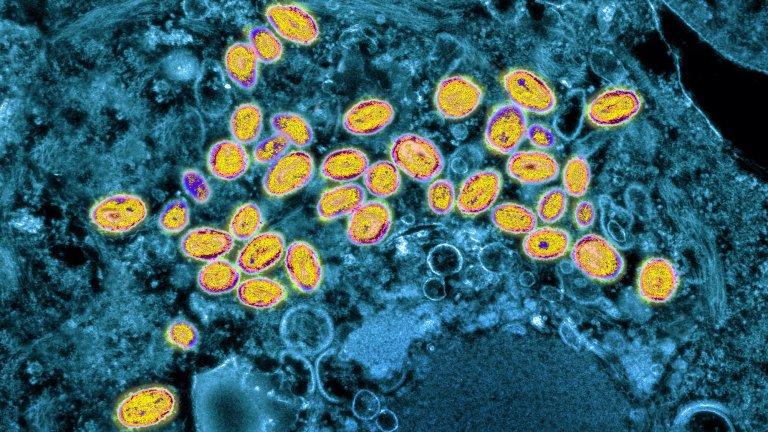
This foot-and-mouth virus has a stable exterior, but no genetic material in its interior.

Illustration of the synthetic exterior of a foot-and-mouth disease virus
Illustration of the synthetic exterior of a foot-and-mouth disease virus From a video by Diamond Light Source

Call it hollow-hearted. Researchers have built a mimic of the outer capsule of the foot-and-mouth disease virus. Inside, where the virus' genetic material normally lives, is empty.

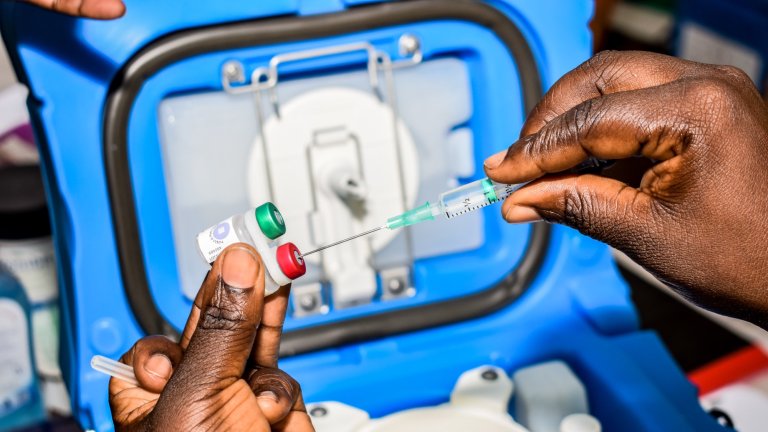
Such synthetic virus-like particles could go into a foot-and-mouth vaccine that's cheaper to make because it doesn't require the tight biosecurity that a factory that makes vaccines from live viruses needs, its creators say. The researchers have also built the virus mimic in such a way that it can stay out of a refrigerator for longer than current foot-and-mouth vaccines, so it could ship more easily around the world.

In the future, the same techniques could apply to vaccines to the polio virus, which belongs to a large group of viruses related to hoof-and-mouth, Andrew Macadam, a polio researcher at the U.K. National Institute for Biological Standards and Control, told the BBC. Polio vaccines are now made with either weakened or killed polio viruses. (The weakened type still carries a small risk of reverting to its original form and causing paralysis. That vaccine is no longer used in the U.S., but some other countries give it out because it doesn't require a highly trained medical professional to administer.)

The hollow virus works because its outside stimulates the immune system to create antibodies against it. Because it doesn't have any genetic material inside, however, it can't revert to an active form and replicate. The instructions for the virus' spread never exist, not even in the factory.

There's still plenty of testing to do before the newly created virus shell can be used as a vaccine, however. The empty virus' creators, a team of researchers from the U.K., have tested the synthetic virus in just eight cattle. Five of the cattle showed resistance to foot-and-mouth infection after getting immunized.

The U.K. might have particular interest in driving this research forward. Foot-and-mouth disease infects cows, pigs and sheep, giving the animals fevers and blisters and reducing the amount of milk they give. Their meat and milk are still technically safe to consume and the disease doesn't affect humans, but it can still hit farmers hard. In 2001, a foot-and-mouth outbreak in the U.K. cost farmers 8 billion British pounds (about $12 billion). North American has been free of foot-and-mouth disease for decades, but it's still rampant around the globe.

Read more about the synthetic foot-and-mouth capsule at PLOS Pathogens.

4 Comments

We can cure them. We can make them better.

say it softly, "...Miranda..." from Serenity.

or

I am Legend!

If you think Benjamin`s story is inconceivable,, four weeks ago my friend's cousin basically got a cheque for $6842 sitting there a fourteen hour week in their apartment and the're co-worker's aunt`s neighbour has done this for seven months and got a cheque for more than $6842 in there spare time from a labtop. use the instructions on this address..... BIT40.ℂOM

I'll bet the weapon applications of this have been thoroughly researched and tested.

@ssiletti -- Its probably the result of some sort of failed weapons test to disguise a virus that has a high mortality rate with one the body may not react as violently to.


140 years of Popular Science at your fingertips.


Popular Science+ For iPad

Each issue has been completely reimagined for your iPad. See our amazing new vision for magazines that goes far beyond the printed page


Download Our App

Stay up to date on the latest news of the future of science and technology from your iPhone or Android phone with full articles, images and offline viewing


Follow Us On Twitter

Featuring every article from the magazine and website, plus links from around the Web. Also see our PopSci DIY feed


April 2013: How It Works

For our annual How It Works issue, we break down everything from the massive Falcon Heavy rocket to a tiny DNA sequencer that connects to a USB port. We also take a look at an ambitious plan for faster-than-light travel and dive into the billion-dollar science of dog food.

Plus the latest Legos, Cadillac's plug-in hybrid, a tractor built for the apocalypse, and more.


Online Content Director: Suzanne LaBarre | Email
Senior Editor: Paul Adams | Email
Associate Editor: Dan Nosowitz | Email
Assistant Editor: Colin Lecher | Email
Assistant Editor:Rose Pastore | Email

Contributing Writers:
Rebecca Boyle | Email
Kelsey D. Atherton | Email
Francie Diep | Email
Shaunacy Ferro | Email

circ-top-header.gif
circ-cover.gif