Cockroach Brains Could Hold the Key to Next Generation of Antibiotics
We don’t mean to alarm you, but your home could be infested with effective, life-saving antibiotics. Research coming out of...
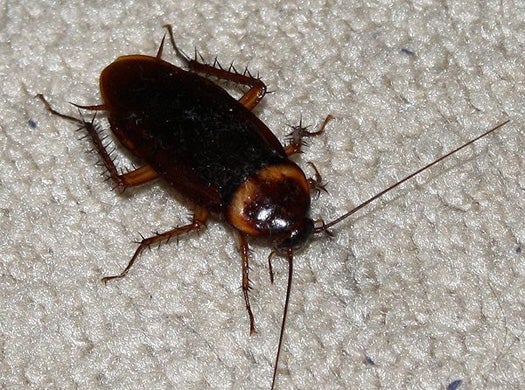
We don’t mean to alarm you, but your home could be infested with effective, life-saving antibiotics. Research coming out of the University of Nottingham over the weekend suggests that brain tissues extracted from certain insects like cockroaches and locusts have a powerful antibiotic quality, killing more than 90 percent of Methicillin-resistant Staphylococcus aureus (MRSA) and Escherichia coli without doing harm to human cells in lab tests.
The researchers identified nine different molecules found in the insects’ nervous system tissues that are toxic to bacteria but harmless to human cells. Those tissues could be used to engineer new kinds of antibiotics that are effective in treating infections that are resistant to conventional drugs.
For strains of infectious bacteria like MRSA, that could be huge. MRSA is highly-resistant to the usual battery of antibiotics used to treat bacterial infections and is particularly troublesome in hospital environments where it can take up residence and be particularly difficult to eradicate — kind of like an infestation of cockroaches. When conventional drugs don’t work, doctors have to reach deeper into their medicine bags, and some of the treatments they are forced to fall back on have very unpleasant side effects on healthy human tissue.
Considering the pharmaceutical industry is having a hard time finding novel (or profitable) ways of combating drug-resistant bacteria like MRSA, this new method could provide a cheap source of effective antimicrobial drugs. So before you go crushing that tiny little pharma factory skittering across your living room floor, think twice. Then go ahead and do it. Cockroaches are disgusting, dude.