The Problem With (Bio)plastic
The so-called solution to our eco-woes is quickly proving nearly as troublesome as the issue itself
Bioplastics, like biofuels, are on the rise as consumers demand alternatives to fossil fuel-based plastics and big business take their wants seriously. Everything from shopping bags to clamshell containers are being reengineered out of bio-based packaging in the hope of finding a truly disposable container; one that, instead of ending up floating in the ocean, will quickly decompose underground. That ideal, as you might expect, is not quite so simple. And already, our two leading alternative bag types are falling short of the hype.
Packaging made from polyactic acid (something we reported on a few weeks ago) needs anaerobic conditions in order to break down. (This is part of the reason researchers are looking for hybrids of polyactic acid that can break down in all conditions.) Current commercial anaerobic digesters—used mostly for treating wastewater— don’t take this kind of packaging and are very difficult and expensive to maintain. If the bags end up in current plastics recycling operations, they can contaminate the works and make the entire batch they’re in unrecyclable.
The other alternative, oxy-degradable bags and materials, need composters in order to break down correctly. While digesters are as complicated as power plants, a composter can be nothing more than a tremendous pile of hot dirt and waste. Unfortunately, a landfill is not a composter, and that’s where the majority of these bags will end up. Landfills are in fact terrible places for degradation; they’re oxygen-starved and tightly packed, both factors that work against natural chemical breakdown.
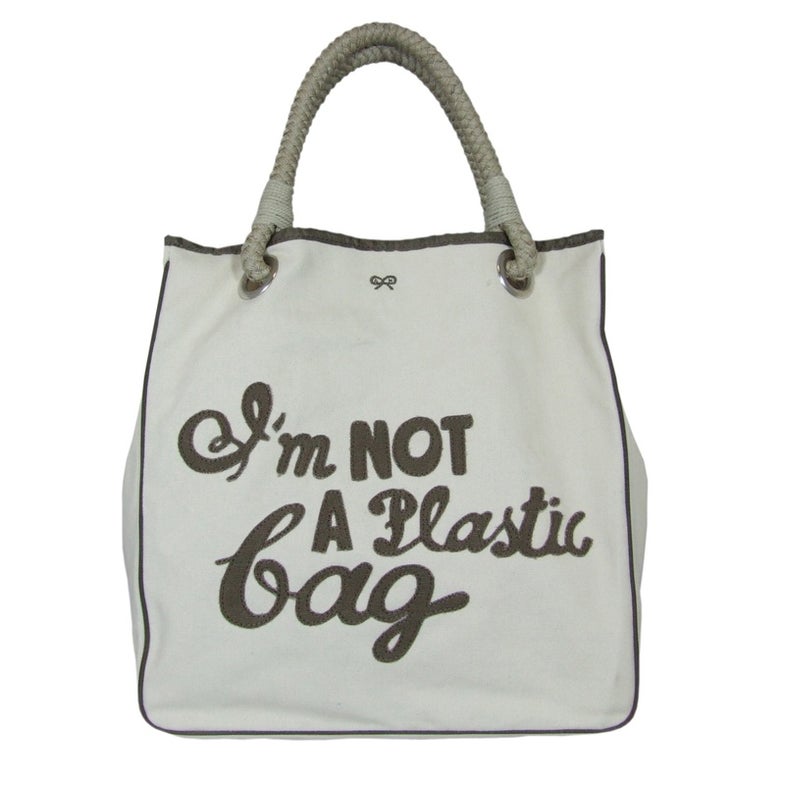
If nothing else, these difficulties should tell us we need to think more seriously about not throwing out that shopping bag or even taking it in the first place. No matter how well-engineered it may be to break down in the environment, we are quickly learning the cost of putting it there in the first place.