Tool Smackdown: Pocket Multimeters
Our favorite devices for measuring volts, ohms, amps, and Hz in the real world
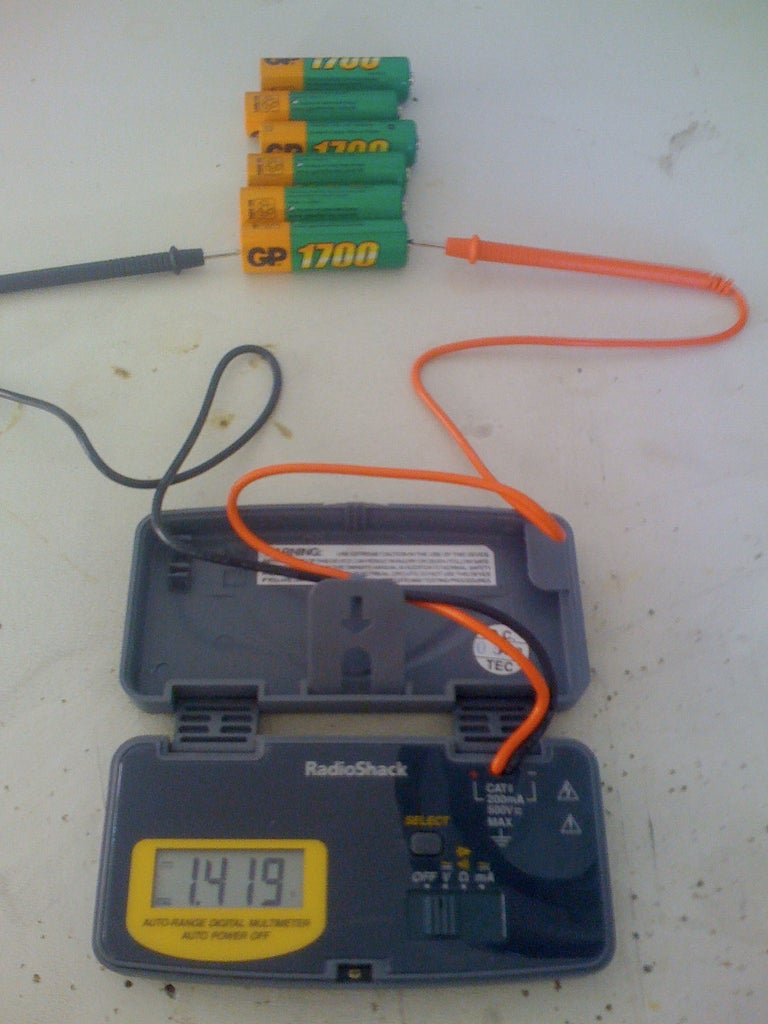
On any given day you can find a miniature multimeter in my pocket. These devices are the equivalent of a Leatherman for electronic enthusiasts. (The Leatherman would be in my other pocket.) Most of the time, I want to check the voltage of a deep-cycle battery in my electric-vehicle or troubleshoot a problem with a solar photovoltaic system. But multimeters do things like current measuring, resistance and continuity, which make them handy for solving problems ranging from home wiring to electronics repair. (For more on what do do with one, check out Ladyada’s multimeter tutorial on adafruit.com). I’ve used a number of “portable” units over the years, and while many are anything but, one jumps out as my solid favorite. Here’s my take on a few popular units.
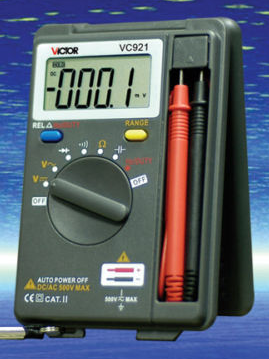
Portable multimeter Victor (VC921)
Victor (VC921) – $19.90
This meter feels like a piece of crap. The case is all plastic and wide enough that it will have to sit in the back pocket of your jeans. I dislike the aesthetics of this model so much that I have banished it to my battery room. This meter cannot measure current at all, though that’s common in the mini-meter world. That said, the clunky old Victor has a some cool tricks that the other meters do not have.
1. A frequency counter (eg. 60Hz for electrical mains. this beats using $300 / 30 pound oscilloscope to measure frequency.)
2. A capacitance tester (testing small surface mount sized capacitors – not that useful)
3. A clever plastic flap which allows for the meter probes to quickly be released.
Portable multimeter Cen-tech P34907
Cen-Tech (Model P34907) – $10
This Cen-Tech model used to be sold at Harbor Freight for $10. Google around and you can probably still find it or a similiar version elsewhere. This has been my primary meter for the last three months after I purchased it on a whim from my local autoparts store. What I like best about this model is the test probes can be released with one hand! Tying the probes back up is much faster than the other two meters as they are designed to wrap around the case and lock in place. The Cen-Tech does not have the special features that the Victor model, but can measure up to .5A—a slight improvement over the Radio Shack model below. The Cen-Tech is also a lot better looking than the Victor so if you can find it for $10, it’s a pretty sweet deal.
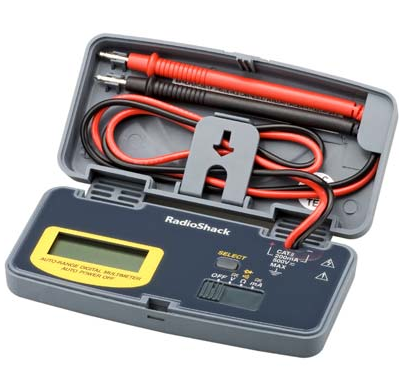
Pocket Multimeter Radio Shack (22-820)
RadioShack (Model 22-820) – $29.99
The Radio Shack 22-820 is hands down my favorite unit. My eyes tear up just thinking back to this one as I managed to destroy it during a freak high voltage accident. The comments on RS’s site have multiple people stating that they broke the continuity testing. I never had that problem and I use the continuity option often to verify my connections are good on new circuit boards and old automotive wiring. This unit is smaller than the others and good looking with a smooth rubber case. Many meters have a big silly dial to change between settings but I prefer this one’s small slider switch. The drawbacks to this unit are price, .2A current limit, and the fact that the wire leads take some practice to put away. The benefits are that it’s small and sexy: While I had this unit I did actually carry it everywhere and people would drool over it. I purchased a replacement unit while writing this post. I miss my old one. Pick one up as a present for the geek in your life.