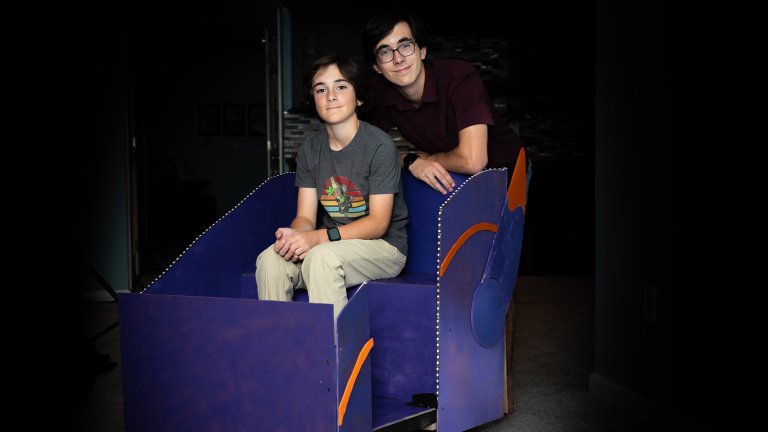
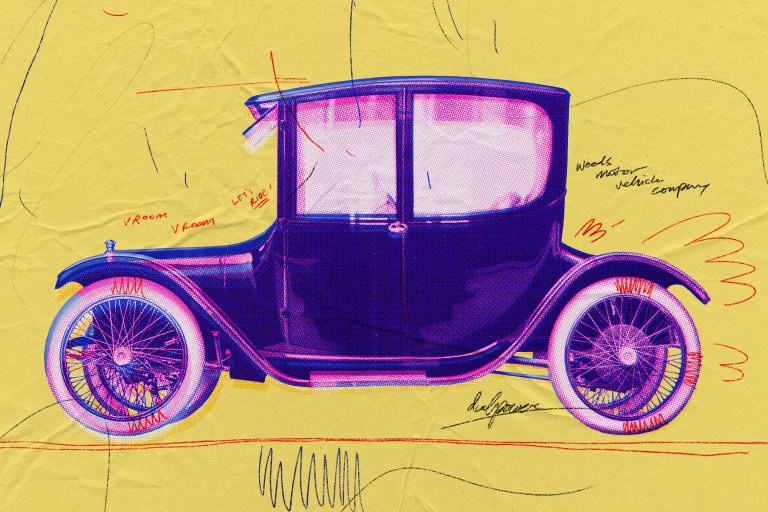
The most promising feature of the Honda Dualnote prototype, shown here, is the least apparent: Under its cool-kitsch skin, which looks like a computer-generated CAD drawing come to life, is a hybrid powertrain. In other words, a big electric motor helps this car's internal combustion engine.
But this is no ordinary hybrid engine. Certainly not like the one in the two-seat Honda Insight, which is just powerful enough to get the 1,800-pound vehicle out of the way of overtaking SUVs; nor the one in the super-lightweight Toyota Prius, which powers the diminutive sedan to 60 mph in a hair under 14 seconds. Great technology, to be sure, but for other people. People willing to sacrifice driving pleasure for fuel economy.
But in the Honda Dualnote, engineers have found the killer app for hybrid technology: high performance. It's a sea change in how they view hybrids, so much so that some are now calling it "electric turbocharging." It's a win-win proposition: You get more power and better fuel economy, while manufacturers can use smaller engines to satisfy performance-minded customers and ever-tightening fuel-efficiency standards. And though Honda has no plans to produce the Dualnote, other automakers have a more immediate date with high-performance hybrids. Detroit is leading the charge: Each of the Big Three plans to put a hybrid truck or sport-utility vehicle in dealerships next year.
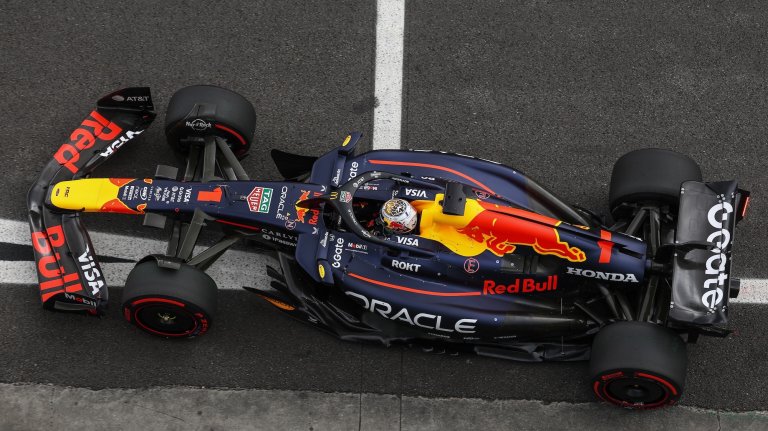
The highbred hybrid's roots date to 1998, when Don Panoz's Le Mans racing team discovered that shoehorning a 195-horsepower electric motor and a 300-volt nickel-metal-hydride battery alongside the gasoline engine would give the team's car an edge. It successfully competed in a race, but the team didn't have enough time or money to develop the car as its primary racer. Several Formula One teams, though, got wind of the idea and started pursuing hybrids of their own.
Will hybrids make up more than 40 percent of the cars sold in the U.S. by 2015?
Will Chevrolet begin selling a vehicle based on the Volt sequential plug-in hybrid concept by the end of 2010?