
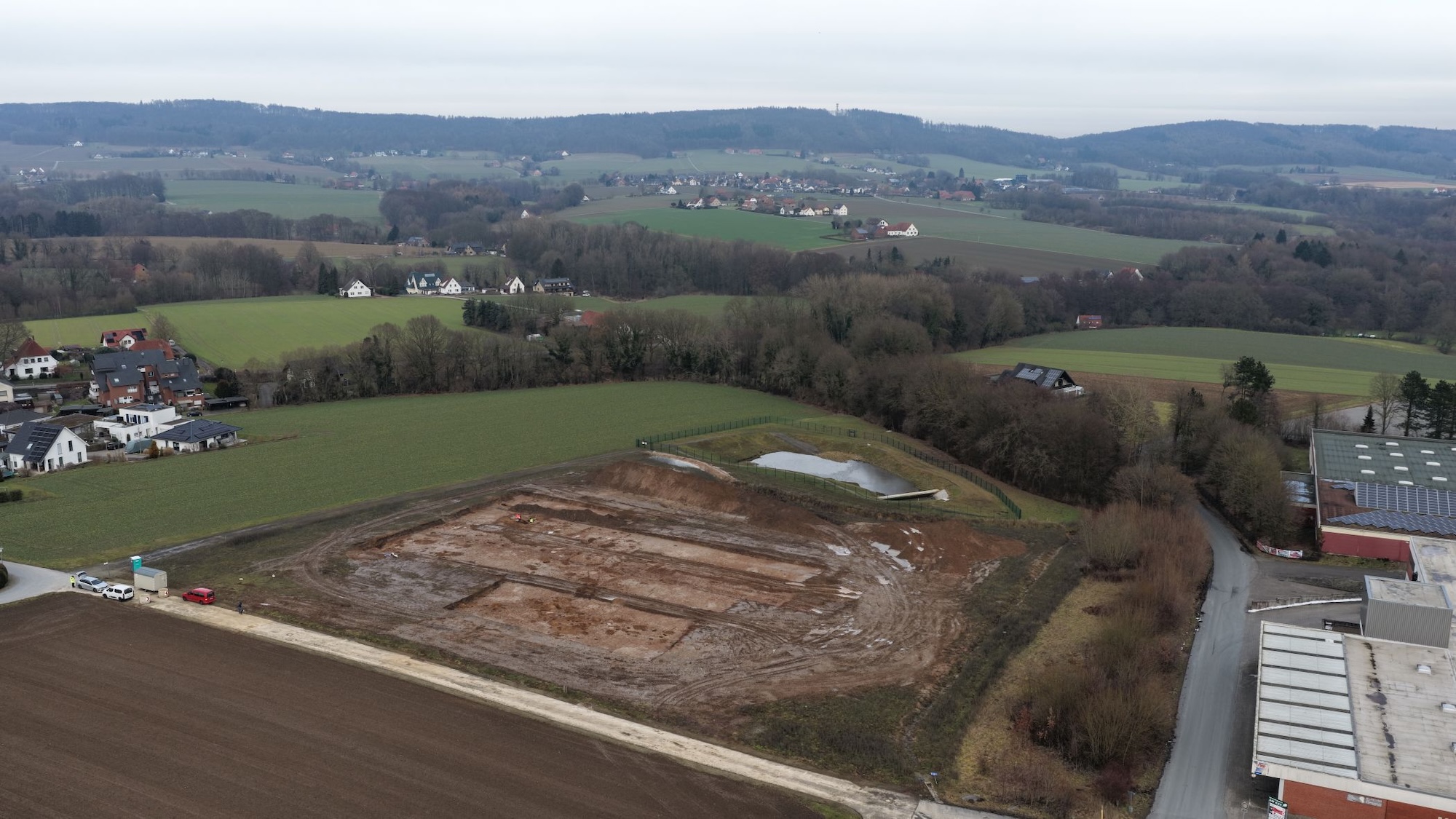
While a recent Iron Age discovery in northern Germany is proving itself an archaeological goldmine, local firefighters might be a bit annoyed by the find. According to the Regional Association of Westphalia-Lippe (LWL), construction on a new fire station in the town of Hüllhorst roughly 45 miles west of Hanover was delayed after the surveyors identified evidence of a settlement dating back over 2,500 years. As only the third such find in the region, the site offers an exceptional opportunity to learn more about ancient life in Germany prior to the Roman Empire’s arrival in 1st century BCE.
Although a welcome excavation project, the Iron Age community’s existence in the area isn’t a huge surprise. Archaeological surveys in the region are often scheduled prior to new building projects, largely due to its proximity to Wöhrsiek, an active freshwater spring that has been used by nearby inhabitants for thousands of years. In the summer of 2025, researchers began removing narrow strips of topsoil, and soon noticed evidence of past settlement. Most of the residual finds came in the form of soil discolorations that point to former refuse pits and storage areas, but certain stains also indicated the presence of postholes. Using these as references, archaeologists were able to recreate entire layouts of various buildings.
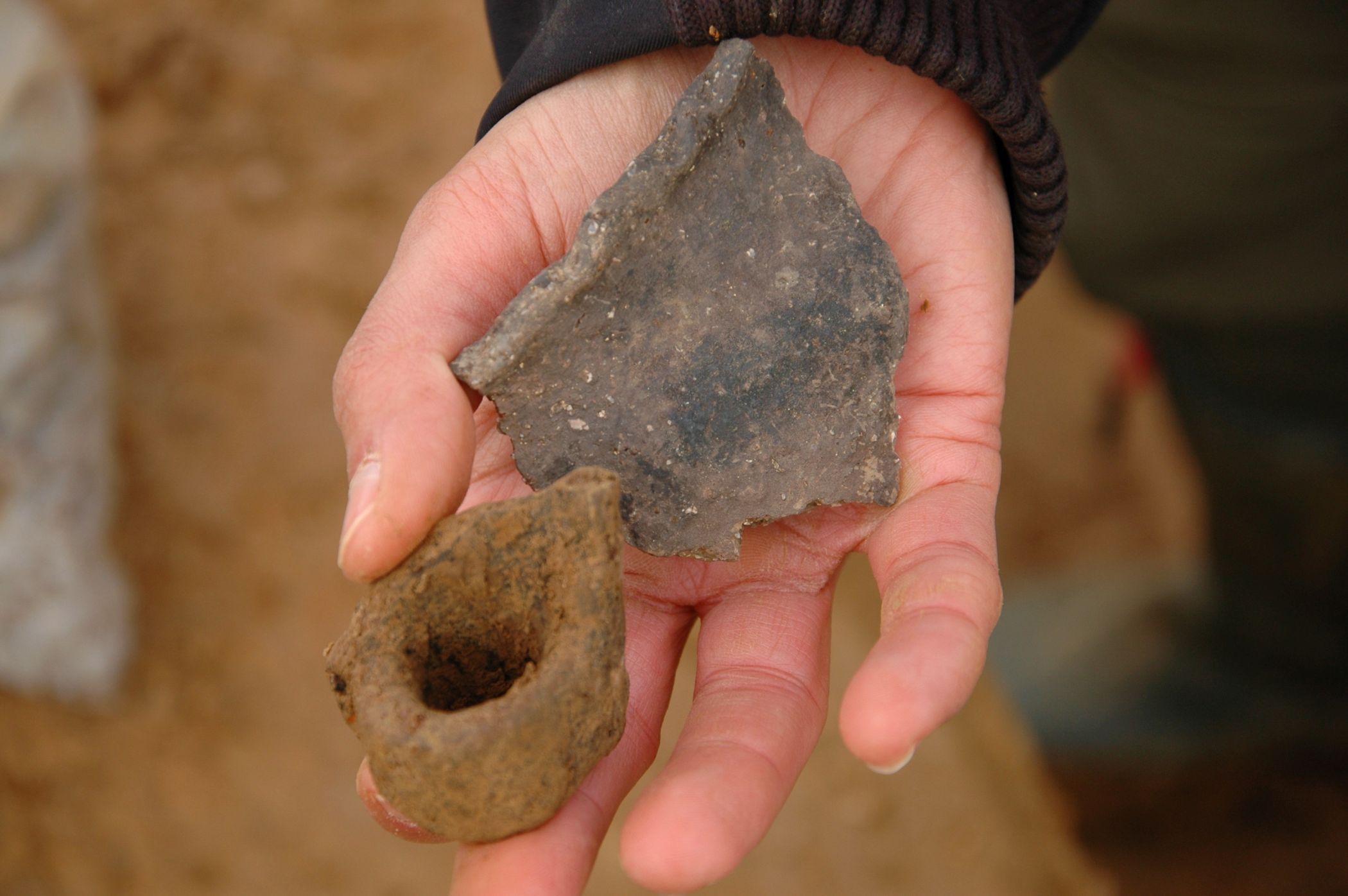
“In addition to two smaller buildings, we also discovered the remains of a large residential building,” excavation director Hisham Nabo said in a LWL statement translated from German.
The house was positioned carefully and intentionally. By facing northeast-to-southwest, its narrow sides faced towards the prevailing winds, thereby reducing exposure to the elements. Nabo’s team explained that this shows just how environmentally and architecturally aware this Iron Age community was at the time.
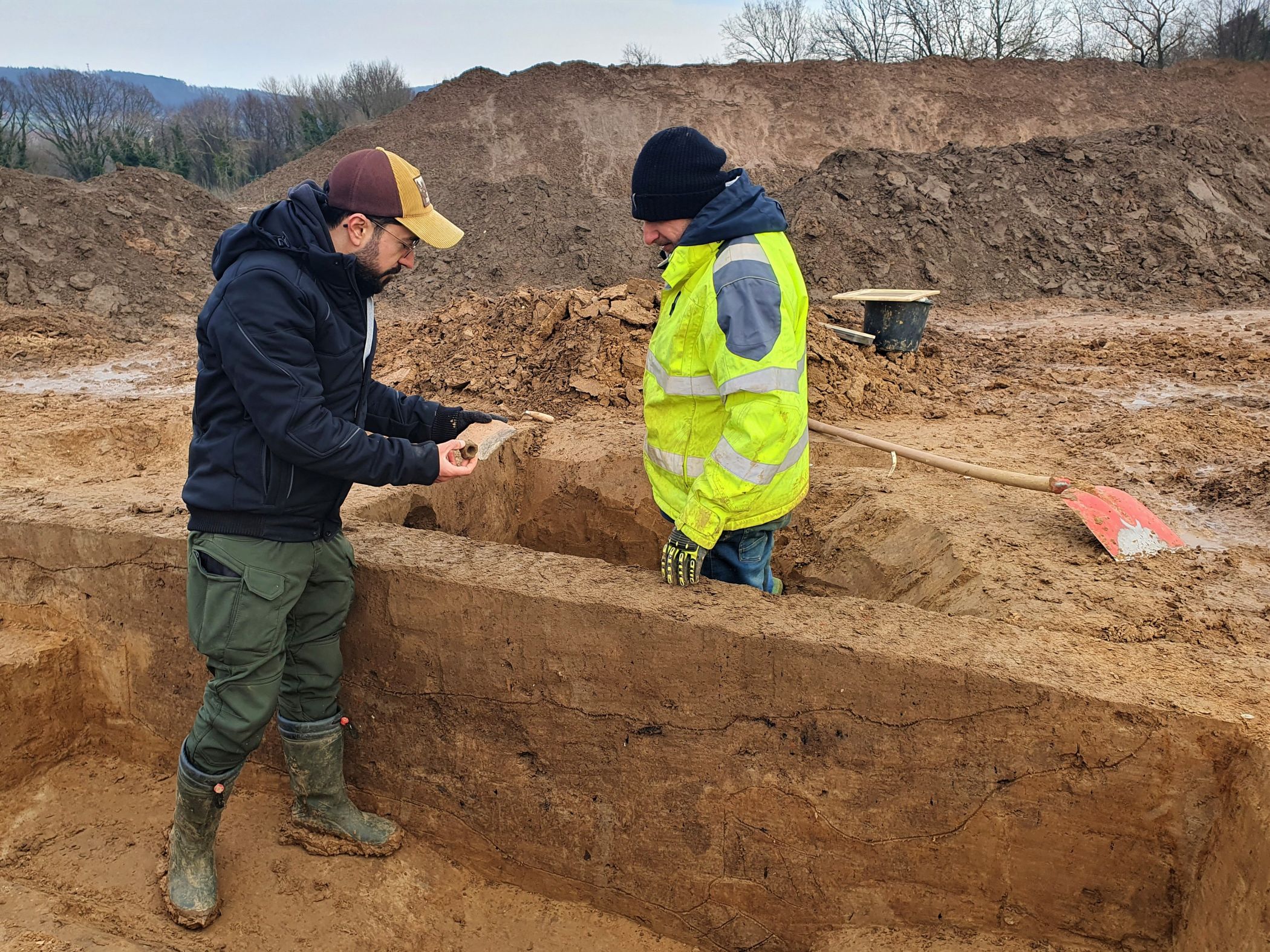
Beyond the buildings, archaeologists also recovered fragments from handled cups called terrines and other pottery with recognizable rim decorations. Combined with additional radiocarbon dating, experts believe that the settlement dates to somewhere between 800 and 600 BCE.
“For us, this is a real stroke of luck, because until now we in East Westphalia only knew house plans from this period from Werther and Minden, which were only discovered in recent years,” added scientific adviser Sebastian Düvel. “Together with the new discoveries in Hüllhorst, we hope to gain exciting insights into everyday life during this time.”
