STEP 3: ASSEMBLE THE BOMB
The nuclear weapons stockpiled by the U.S. and Russian governments are far more sophisticated and lethal than anything a terrorist could build. Instead a
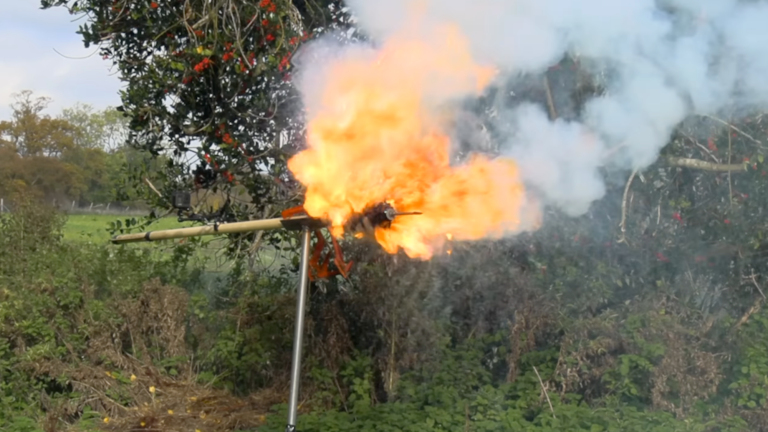
terrorist would most likely opt for the simplest nuclear weapon, called a gun bomb. Like a rifle, a gun bomb uses a conventional explosive charge to fire a bullet. But in this case, the bullet is a lump of uranium that slams into a second piece of uranium at the other end of the barrel. The impact compresses the two pieces, creating a “supercritical mass” that sets off a nuclear chain reaction. It’s a simple but proven method. “The Hiroshima bomb was literally a cannon barrel that slammed two pieces of highly enriched uranium together,” Bunn explains.
Casting the bomb’s uranium into two separate pieces is a relatively straightforward machine-tool task. Slightly more complicated is devising the cannon that will fire the uranium. Terrorists could either fashion their own cannon or acquire a military cannon like a Howitzer. This choice would depend somewhat on the quality of uranium they had acquired. The more highly enriched the uranium, the less powerful the cannon that would be required to create a chain reaction. Although you can’t buy a modern Howitzer on eBay, it’s not impossible to get heavy conventional military equipment. As the NRDC’s Tom Cochran notes, military hardware of every type is currently “lying around all over Iraq.”
Actually detonating such a bomb may be the easiest step of all. Basic gunpowder is ideal for firing the cannon, Levi explains. The bomb could be triggered with a cellphone or a garage door opener
—technology no more sophisticated than that used in Iraqi roadside bombs.
Last year Senator Joseph Biden asked scientists at three national laboratories to see if they could assemble the mechanical components of a gun-style bomb with commercially available equipment alone. A few months later, they reported back that they had done it.
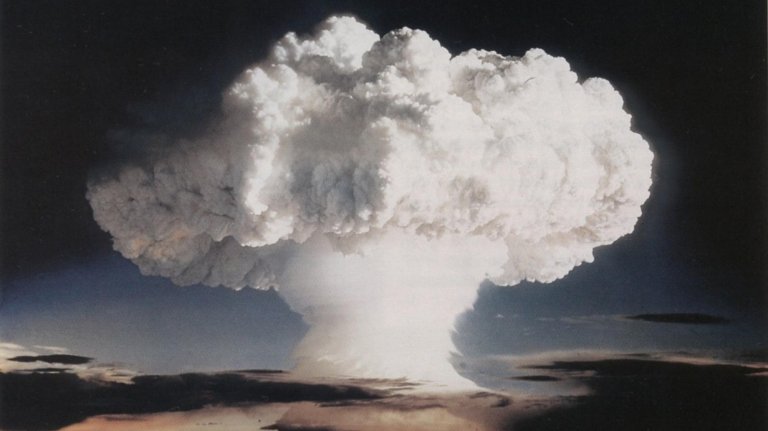
The process of building a crude bomb is made even easier by the fact that—unlike state-run nuclear programs, which are typically held to strict safety standards—terrorists can afford to make mistakes. A bomb made from 100 pounds of 90 percent highly enriched uranium could deliver an explosive yield of about 10 kilotons, or slightly less than the force of the 1945 Hiroshima blast. A smaller blast would occur if the uranium were of a lower enrichment grade or if the cannon misfired because of design flaws. But even a one-kiloton explosion would level a city block, killing everyone in the vicinity and igniting huge fires. Radiation would kill perhaps thousands more. Mass panic would ensue. In other words, even a relative dud would be an absolute catastrophe.
Stay up to date on the latest news of the future of science and technology from your iPhone with full articles, images and offline viewing
Featuring every article from the magazine and website, plus links from around the Web. Also see our PopSci DIY feed
Share links with friends, comment on stories and more
In our December issue, Popular Science names the 100 best innovations of the year: bombproof wallpaper, self-parking cars, the fastest helicopter, and 97 more. Plus inventor profiles and videos.
Check out the best of what's new here.