privacy

The Dangers of Rogue Household Robots

Car keys missing? Your friendly metal servant may have swiped them

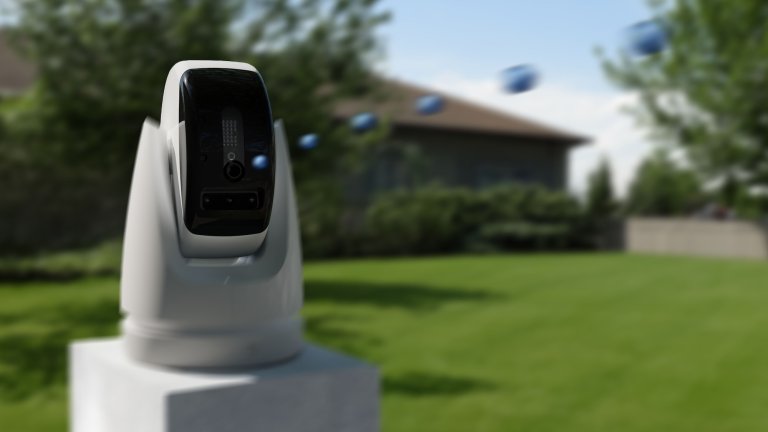
While the machine uprising may not be upon us just yet, a group of University of Washington researchers has conducted a study on the various threats to security and privacy that household robots currently on the market could introduce to our homes. While their findings found little to fear in the way of an I, Robot-esque revolt, it turns out common household robots can open a home to various security and privacy threats, mostly via web-enabled features that are supposed to make the robots more useful.

[ Read Full Story ]

Google Explains Street View to Wary Japanese With--What Else?--Adorable Stop-Motion Animation

Google Japan's new video aims to alleviate privacy concerns among Japanese residents


Fret no longer, citizens of Japan, about Google's camera vans exposing the awkward moments of your private lives to millions via Street View. Because here, see? All that's behind its scary secrets is an impossibly adorable anthropomorphic camera truck in a wonderland of children's toys. Dawww, its bobbing camera head just snapped a photo of your car! It's so cute!

[ Read Full Story ]

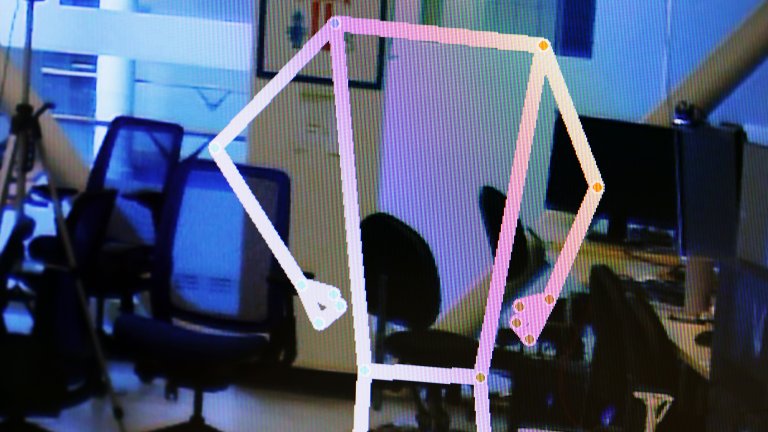
Face-Recognition Software Shields Your Computer Screen From Eavesdroppers

When someone glances over your shoulder, all they'll see is scrambled text

The dropping price of laptops and netbooks has resulted in a proliferation of computer use in public spaces. Whether at the airport, in a cafe, or on the Chinatown bus, more and more people are using their computers in the view of others. This has made protecting personal data from eavesdroppers a high priority. Sure, a couple of dollars can get you a polarized screen that offers some protection from the wandering eye of the person next you, but for people with sensitive military, industrial, and intelligence information on the screen, that simply isn't enough.

Enter Oculis Labs. This software company has married face-recognition technology with encryption, to create two programs that protect on-screen data from prying eyes.

[ Read Full Story ]

How To Stop Google From Following You

A simple tool lets you opt out of advertising programs that track your Web clicks

Hundreds of thousands of Web sites show ads provided by Google, such as those little text ads that offer you everything from diets to dog training. Now Google has announced plans to track your clicks across all these sites, and then serve up ads personalized to your tastes. Visit a bunch of electronics-related sites, say, and the next site you view may show you an ad for the latest must-have gadget, even if you're now reading about ways to reduce stress through yogic meditations.

As Big Brother as it sounds, this is actually something that many advertising companies already do. But don't worry: There's a way to stop Google--and all the others--from prying.

[ Read Full Story ]
Ask a Geek

Ask A Geek

Can websites that I'm not visiting still track me?

Yes, and there are lots of ways they can do it. Web pages are a flexible platform for exchanging information, but that also means it can be easy to track what you’re looking at on them. The first method is through third-party content. Say Company A is an advertising or tracking firm. When you visit sites that display A’s ads or use A to track their visitors, A can identify your browser and see what pages you visit on those sites (and more).

[ Read Full Story ]

Google Walking Directions: a Privacy Concern?

Google's new service provides the world even more information about where you live and how to get there

Last week, Google released a beta application that provides walking directions in major cities such as New York, San Francisco, and Minneapolis. It's another sign that the search giant is getting even more specific about "organizing the world's information," right down to the sidewalk in front of your house. If you want to walk from your apartment in the suburbs to a restaurant downtown, Google will show you the best route with turn-by-turn directions you can print out or follow on your smartphone.

[ Read Full Story ]
The Score

High-Tech Tickets For Opening Ceremonies in Beijing

To combat fraud, each ticket holder's photo and passport information will be embedded in the ticket itself and accessed via RFID

So much for scalping tickets. In a country where Big Brother is more than a myth, Chinese officials have taken technological steps to ensure only those who purchase tickets to the opening and closing ceremonies are allowed inside the Bird’s Nest in Beijing. RFID chips in each ticket will include photos, phone numbers, email addresses and passport data ensuring the $720 face value isn’t increased on the street.

[ Read Full Story ]

The Anonymity Experiment

During a week of attempting to cloak every aspect of daily life, our correspondent found that in an information age, leaving no trace is nearly impossible

In 2006, David Holtzman decided to do an experiment. Holtzman, a security consultant and former intelligence analyst, was working on a book about privacy, and he wanted to see how much he could find out about himself from sources available to any tenacious stalker. So he did background checks. He pulled his credit file. He looked at Amazon.com transactions and his credit-card and telephone bills. He got his DNA analyzed and kept a log of all the people he called and e-mailed, along with the Web sites he visited.

[ Read Full Story ]

The Internet is Sick... But We Can Make it Better

How ideas from biology-evolution, immune systems and forensics-will keep your PC safe from hackers

What do you think happens when you connect your computer to the Internet?

[ Read Full Story ]

Ask A Geek: Annalee Newitz

How can I surf the Web anonymously?

You don´t have to be a conspiracy theorist or a criminal to be uncomfortable with the fact that your online movements are frequently tracked and recorded. Maybe you don´t want commercial Web sites using your browsing habits to inform their marketing, or perhaps you want to post an opinion to an online forum without worrying that it could be traced back to you.

[ Read Full Story ]


Download Our iPhone App

Stay up to date on the latest news of the future of science and technology from your iPhone with full articles, images and offline viewing


Follow Us On Twitter

Featuring every article from the magazine and website, plus links from around the Web. Also see our PopSci DIY feed


Become a Fan On Facebook

Share links with friends, comment on stories and more


December 2009: Best of What's New

In our December issue, Popular Science names the 100 best innovations of the year: bombproof wallpaper, self-parking cars, the fastest helicopter, and 97 more. Plus inventor profiles and videos.

Check out the best of what's new here.

Popular Science Photo Pool


Share your photos in the Pop Sci pool at www.flickr.com!
tags_sprite.png
POP_embeddedForm_cover_May09.jpg