bats

Robotic Bats Fly, Flexing Their Tiny Metal Muscles

Researchers are making robotic surveillance bats complete with metallic muscles and shape-memory alloys

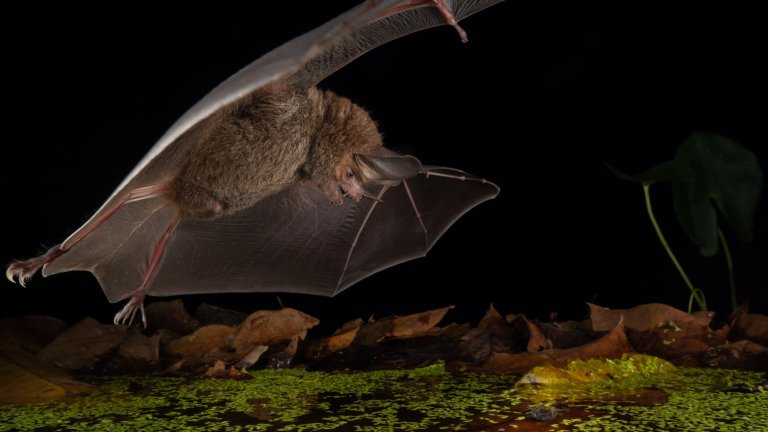
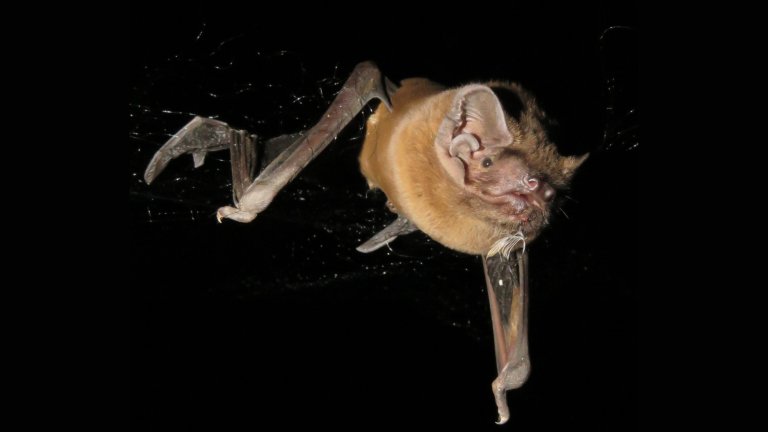
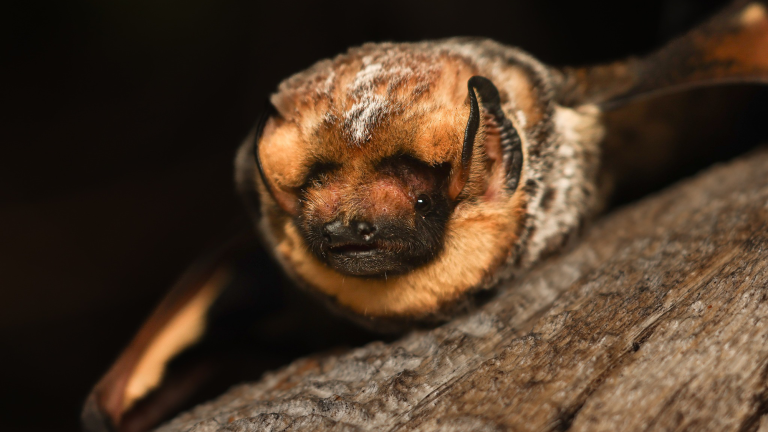
What could be more effective and potentially terrifying than spying on your enemies with robot bats? That what researchers at North Carolina State were thinking when they started working on creating robotic versions of the furry fliers. The idea is to create micro-aerial vehicles, or MAVs, that would be used for surveillance or detection of weapons. However, most MAV prototypes use fixed-wing body shapes, which don’t provide the same level the maneuverability that nature’s flapping wings do.

[ Read Full Story ]
READ MORE ABOUT > , ,
Missing Links

Being Cute Helps, But It Won't Save You

Which animals need better PR

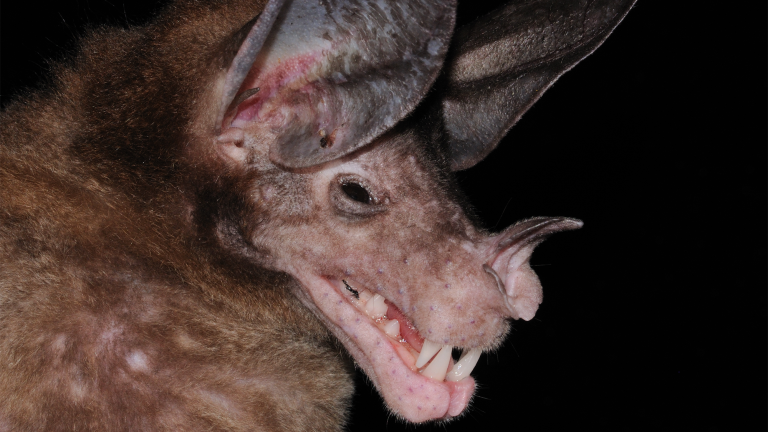
It's always the pretty ones who get the attention. Scientists trying to raise awareness about a mysterious illness affecting bat populations along the East Coast say that bats' sketchy reputation keeps them from getting the attention they deserve.

But being cute didn't help little puppies in Hungary circa 900-1200 AD. New research shows that sacrifices of adult and baby dogs was more widespread than previously thought. The domestic animals were thought to have been killed to protect against evil. (Although apparently not the evil of killing puppies.)

Also in today's links: why it's okay to read this at work, another study on testosterone and risk, and more.

[ Read Full Story ]
Missing Links

Love, Cheating and Testosterone-Fueled Stock Trades

Hormones do the damnedest things

Also in today's links, the other uses of bat wings, and the other reason you should be out in the fresh air instead of online.

[ Read Full Story ]
Missing Links

Missing Links: The Undead Edition

I vant to suck . . . all the science out of vampire myths!

If you were out watching Twilight this past weekend, here's the less-romantic but still-pretty-neat scoop on drinking blood.

[ Read Full Story ]
READ MORE ABOUT > , , , ,

Bat Deaths Baffling Researchers

While scientists are still puzzling over the disappearance of bees, large numbers of bats have begun dying out no less mysteriously

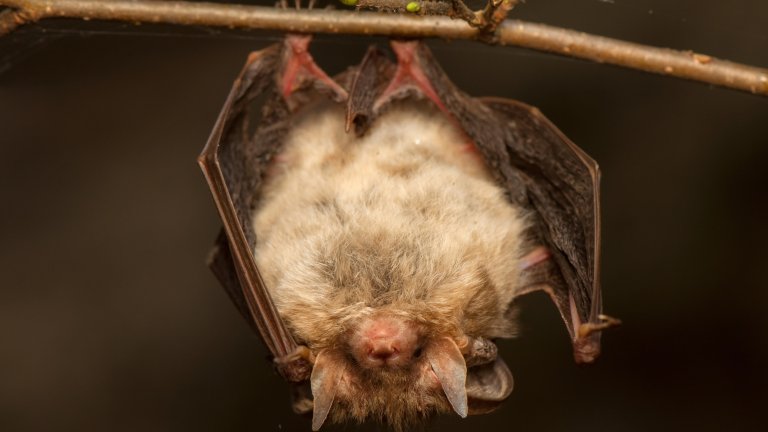
Weve by now all seen the news that bees are dying in huge numbers. Scientists have labeled the phenomenon Colony Collapse Disorder, or CCD. Dead bees mean less crop pollination, which means less food at higher prices. Whats causing the problem is still anyones guess. Now, strangely, bats in the eastern U.S. are experiencing a similar plague which biologists have dubbed White Nose Syndrome (WNS) for the white fungus that appears on their bodies at the height of infection.

[ Read Full Story ]

How Bat Sonar Could Improve Human Cameras

The complex algorithm which bats employ to identify plants could make for the most advanced facial recognition software yet

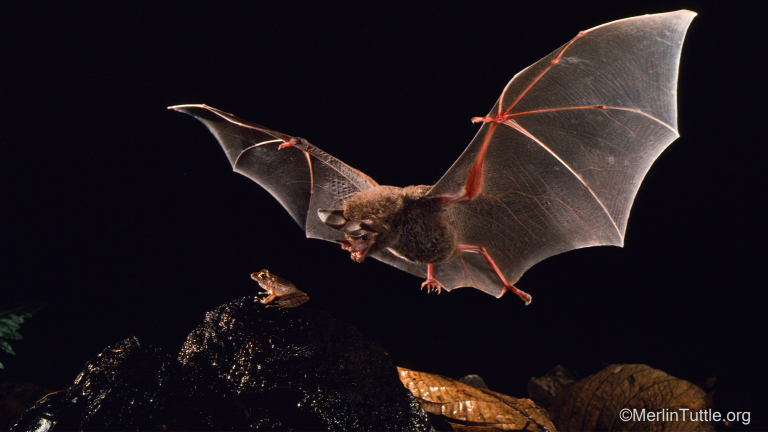
This past week we happened to cover both dolphin echolocation and facial recognition. Today comes a report on a study that may bring the two concepts a little closer together. German researchers have devised a computer algorithm which is able to identify plant species using sonar echoes, in the same way bats are able to find fruit and insects. If the technology is one day sufficiently refined, it could ultimately be used for facial recognition.

[ Read Full Story ]
READ MORE ABOUT > , , ,

Animals that Hover

New studies on bats and bluegill sunfish add to scientists' knowledge of a rare and enviable trait

Hummingbird:
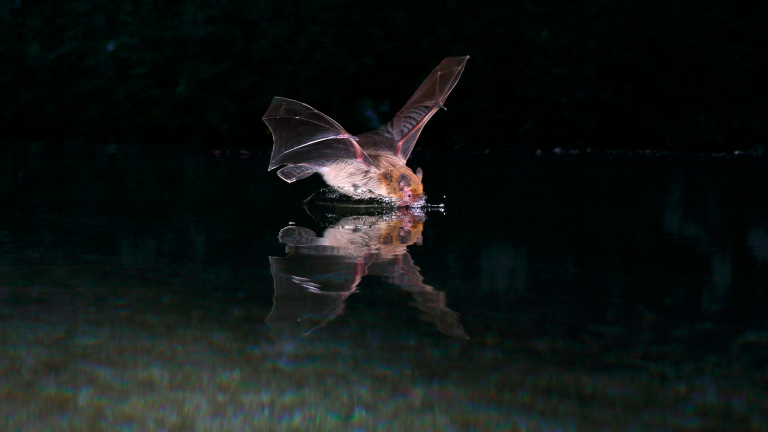
The hummingbird is an animal that by all rights shouldn't be able to fly. Its wing movements are not at all like that of other birds. But not only can they fly, they're so good at it that they're the only species which can fly backward. They're also one of the few—but not the only—that can hover. And in the past week alone, two new studies on hovering animals have been made public. One is on bats and the others on the bluegill sunfish.

[ Read Full Story ]


Download Our iPhone App

Stay up to date on the latest news of the future of science and technology from your iPhone with full articles, images and offline viewing


Follow Us On Twitter

Featuring every article from the magazine and website, plus links from around the Web. Also see our PopSci DIY feed


Become a Fan On Facebook

Share links with friends, comment on stories and more


December 2009: Best of What's New

In our December issue, Popular Science names the 100 best innovations of the year: bombproof wallpaper, self-parking cars, the fastest helicopter, and 97 more. Plus inventor profiles and videos.

Check out the best of what's new here.

Popular Science Photo Pool


Share your photos in the Pop Sci pool at www.flickr.com!
tags_sprite.png
POP_embeddedForm_cover_May09.jpg