
Popular Science. Demystifying the worlds of science and technology since 1872.
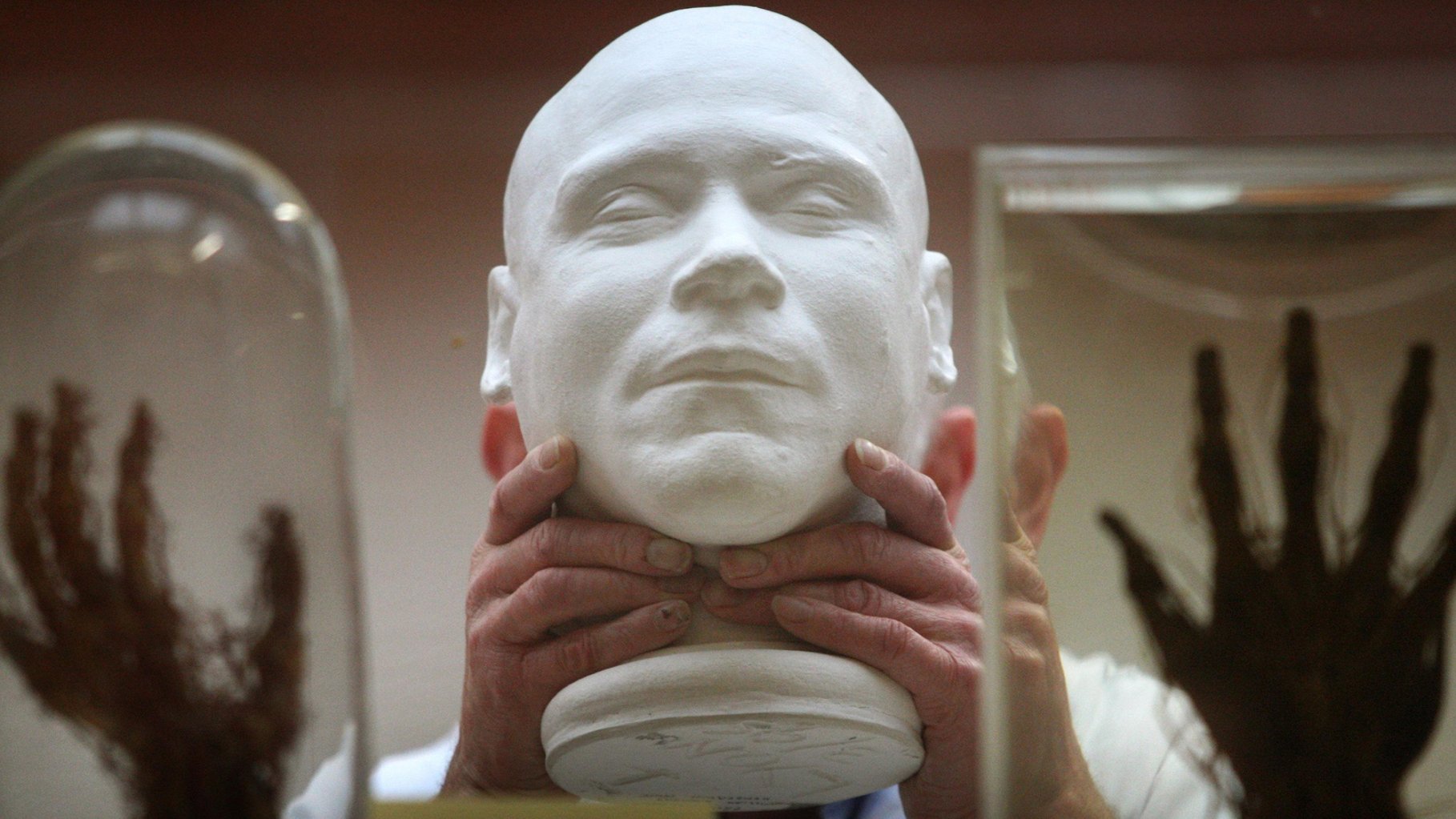
In 1828, serial killers sold their victims’ bodies to science
Edinburgh’s medical schools needed bodies. William Burke and William Hare had a horrifying solution.

Podcasts
Latest Articles

Silly bear cub wins award for being terrible at hide-and-seek
The baby bear’s mom won the 2026 Mama Bear Award, so it will learn—eventually.
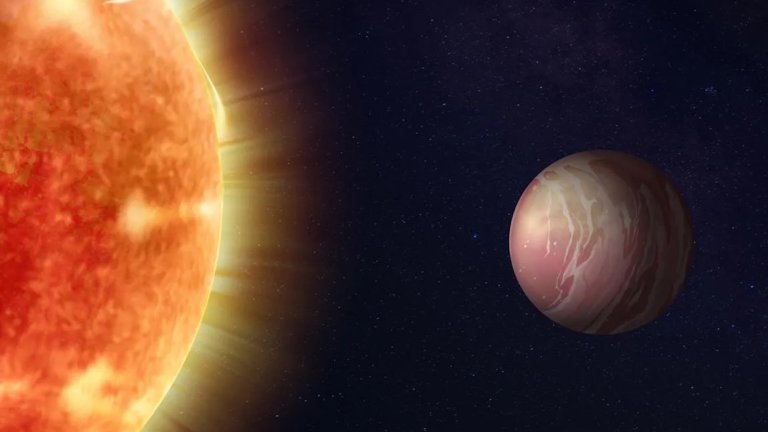
This lava planet shouldn’t have an atmosphere—but it does
TOI-561 b may be a supercharged version of Venus or Jupiter’s moon, Io.

A three-legged cougar named Crimson is thriving in Arkansas
The rescued wildcat’s leg was amputated after a foot injury, but that isn’t slowing him down.

Parents of premature newborns can have more skin-to-skin contact with new device
The ‘Skincubator’ is undergoing its first trials in the United States.

Read censored texts from around the world at this Minecraft library
‘The Uncensored Library’ houses suppressed content from 9 countries—including the U.S.

The 2026 Mama Bear Award goes to a black bear with a mullet
Osso fought off another bear named Scuba Sue to win this year’s award from the USDA Forest Service.

Family finds World War II grenade in grandfather’s basement
Fall cleaning gave the Michigan residents an unexpected surprise.

Spending in‑person time with friends is the biggest predictor of whether college students flourish
Students who spent more hours socializing with friends, attending student organizations and participating in cultural events tended to report feeling an overall sense of well-being.
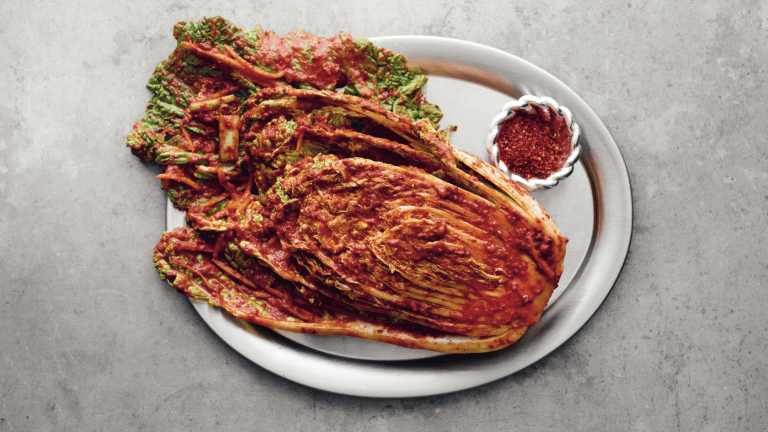
Celebrate the flavors of fall with three spicy recipes
A new book offers a history lesson with every spice.
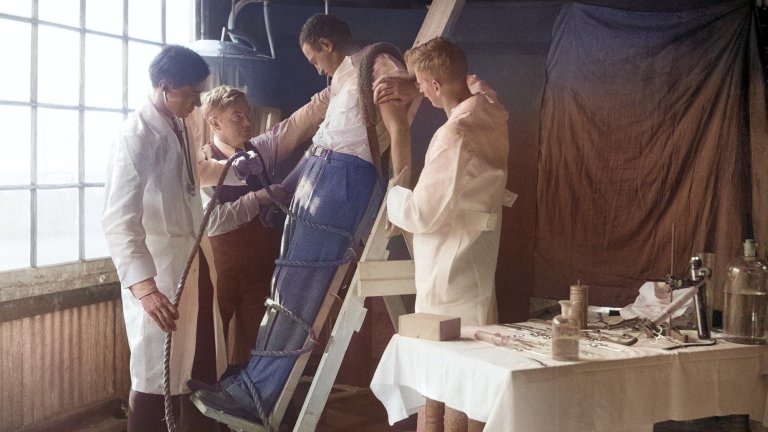
In 1934, a doctor brought a dog back to life. He tried to do the same with humans.
Dr. Robert Cornish was a real-life Victor Frankenstein.
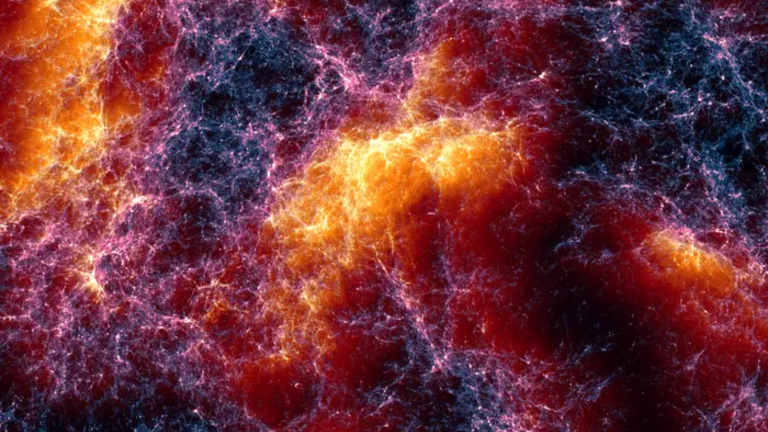
6 stellar images of the early universe
The most detailed simulation of our universe’s first 2 billion years to date.

23 dazzling panoramic images from the 2026 Epson International Pano Awards
A sweeping view of our beautiful planet.
Popular Science Cover Art Store
Own a piece of science history.

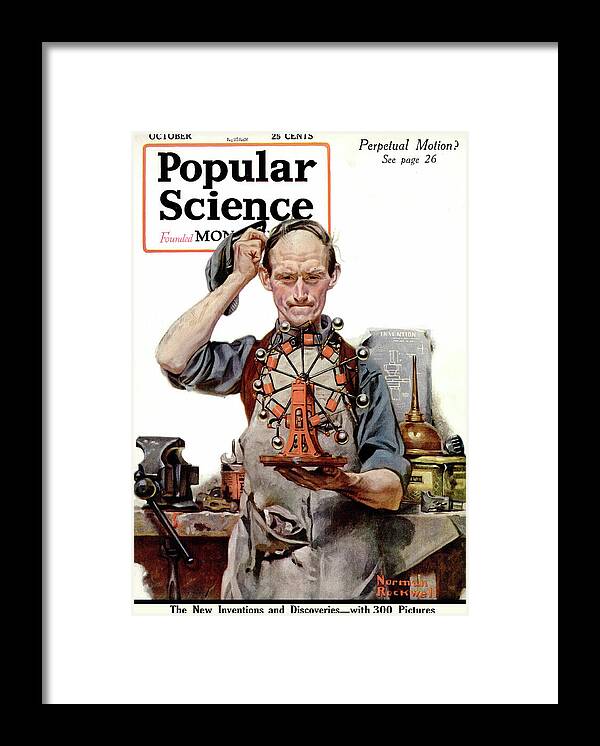
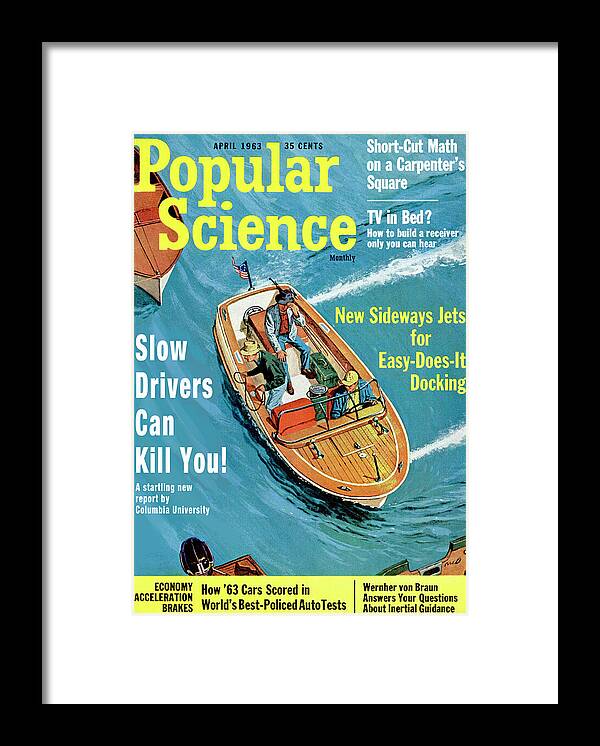
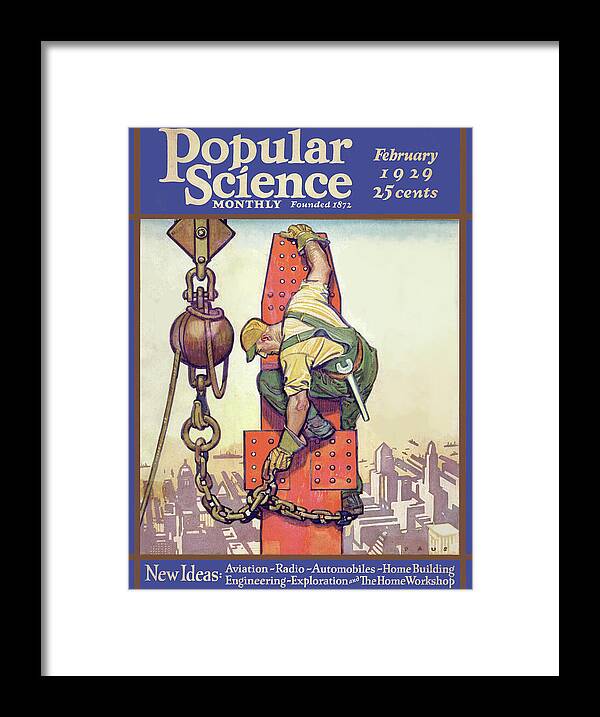

Popular Science has been demystifying the worlds of science and technology since 1872. We explain the inner workings of the phone in your pocket, explore world-changing innovations, and examine everything from the marvels of deep space to the secret lives of staples like bread. We deliver an engaging, approachable, and inclusive look at emerging technologies and scientific advances.
Daily, Popular Science unpacks the science behind the top current new stories, dissects the latest technology and digital trends, and helps readers live smarter, safer, and happier through clever DIY projects.
Meet the team
Our writers and editors


