292 Results From "marine mammal"

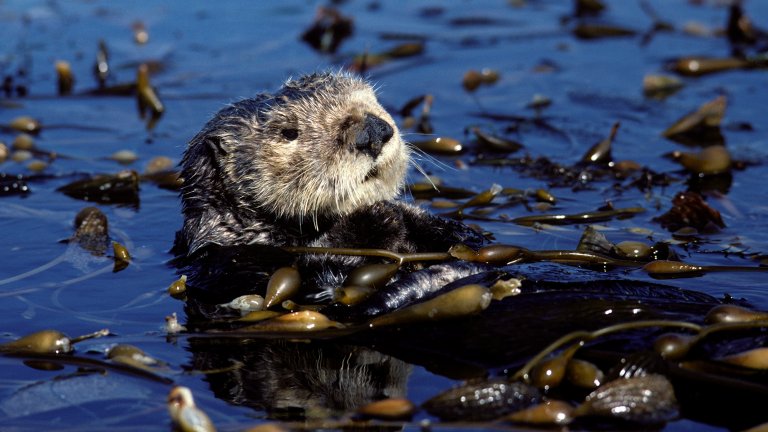
A sea otter resting in a kelp bed in Monterey Bay, California.
Ocean

Sea otters can help conserve vital kelp forests

Oysters can’t sleep—and your lights might be the cause
Pollution

Oysters can’t sleep—and your lights might be the cause

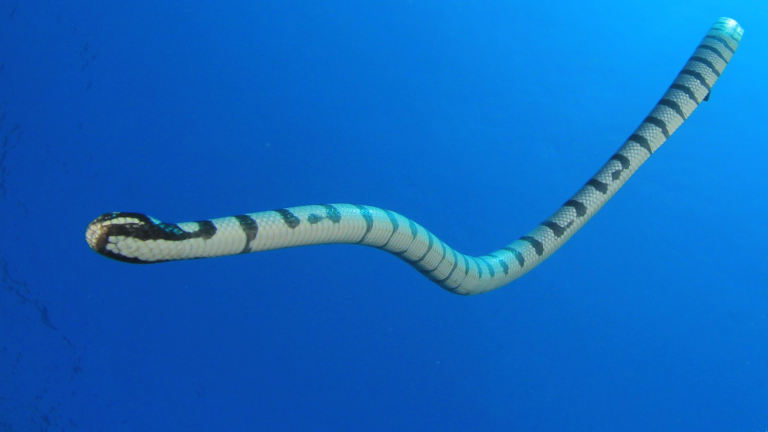
A banded sea snake swimming freely
Ocean

Some sea snakes may not be colorblind after all

four orange candles are in a row with a black background
Sustainability

How to use candles and incense sustainably

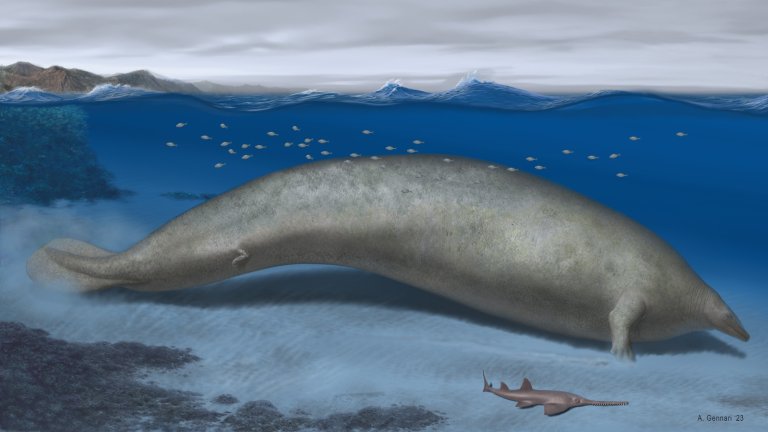
An artist's rendition of the Perucetus colossus.
Evolution

This giant sea cow-like whale may have been the heaviest creature to ever live on Earth

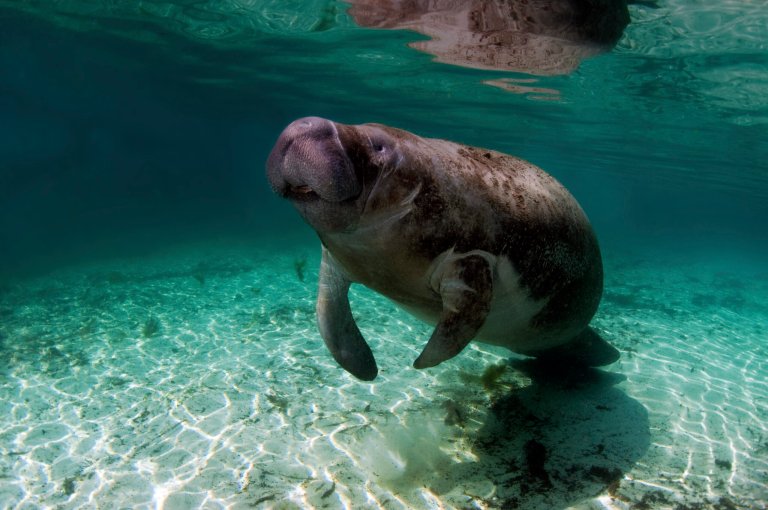
Wildlife officials are taking radical steps to save Florida’s starving manatees
Ocean

Wildlife officials are taking radical steps to save Florida’s starving manatees

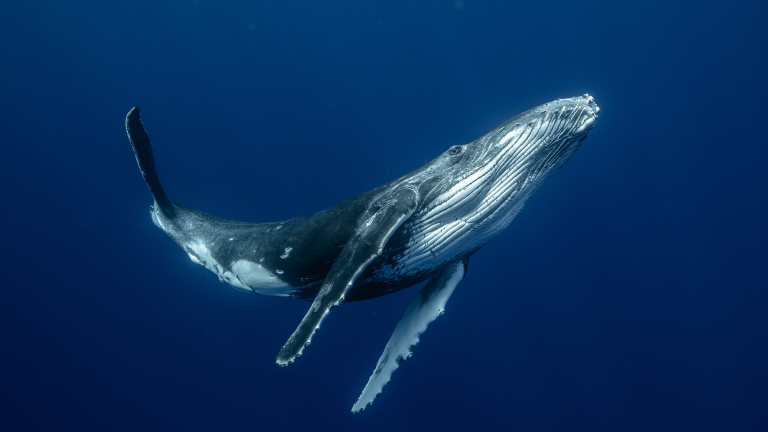
A single humpback whale calf swimming in the waters off of French Polynesia.
Ocean

We finally know how baleen whales make noise

What does sleep mean for animals?
Animals

What does sleep mean for animals?

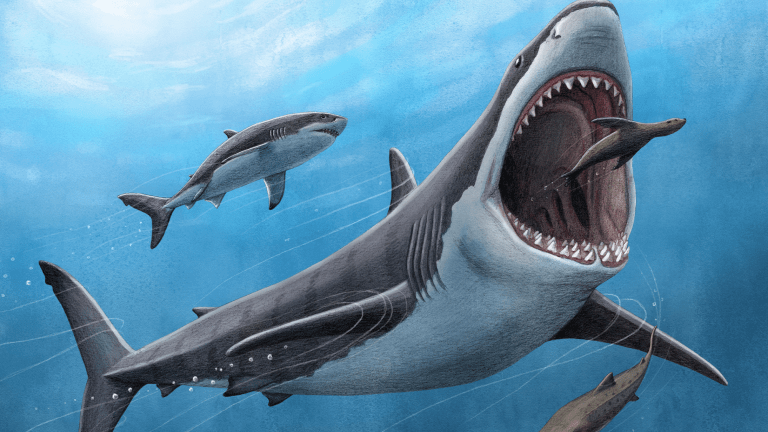
An artist's illustration of a megalogon, which went extinct 3.6 million years ago and are believed to have grown to lengths of 50 feet.
Evolution

Megalodons were likely warm-blooded, despite being stone-cold killers

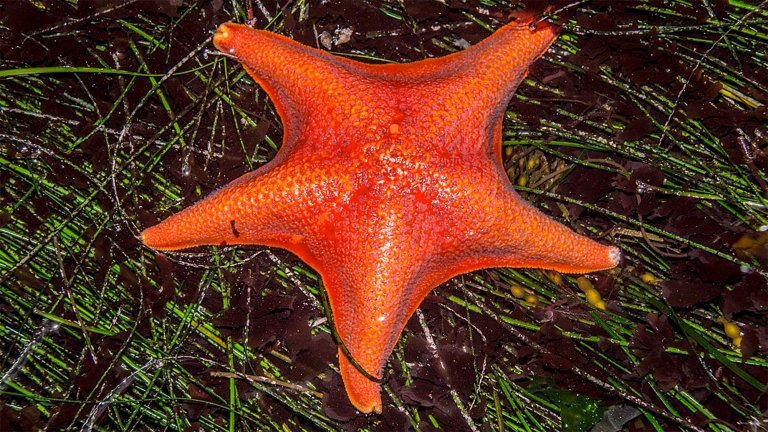
A bat sea star on a dark background.
Wildlife

The blueprints for early organs may be hiding in sea stars

Environmental DNA is everywhere. Scientists are gathering it all.
Science

Environmental DNA is everywhere. Scientists are gathering it all.

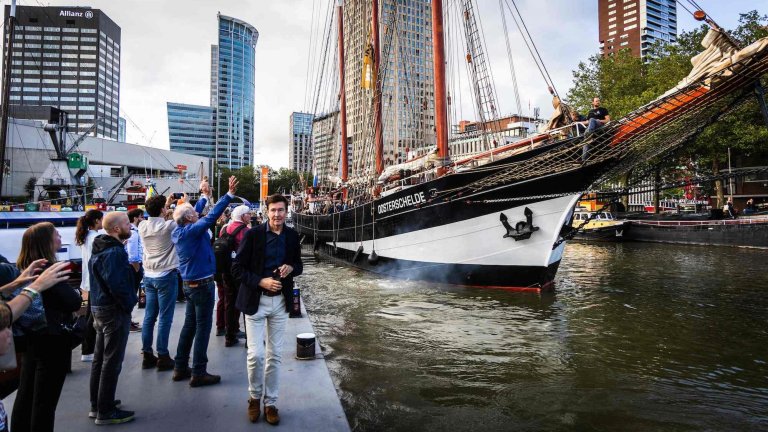
Members of the Dutch Tall Ship Oosterschelde wave goodbye from the quay in Rotterdam on August 4, 2023. The Rotterdam ship departs for a two-year world tour that scientist Charles Darwin made two centuries ago.
Wildlife

Mission to recreate Darwin’s scientific Beagle voyage sets sail

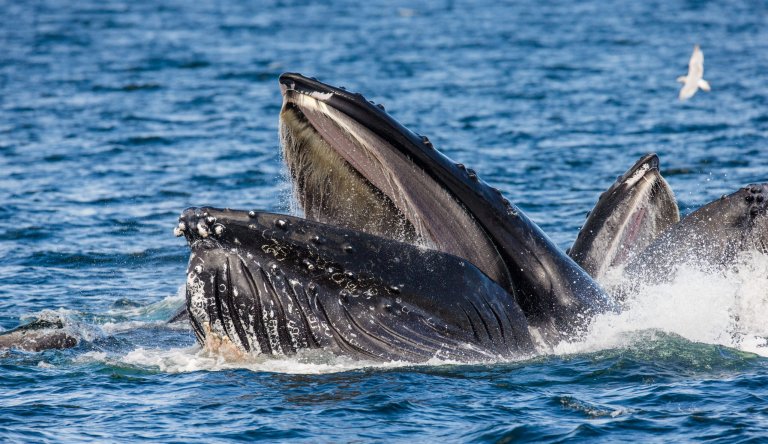
a humpback whale breaching the surface of the water with its mouth open
Whales

Baleen whales have an ‘oral plug’ to help them guzzle down food without choking

Paramecium bursaria under a microscope. All creatures whose cells house a nucleus, including Paramecium bursaria, can be traced back to a common ancestor called the Last Eukaryotic Common Ancestor (LECA).
Evolution

Newfound single-celled hunters may have been Earth’s first-ever predators

A tiny fish is more genetically diverse than we thought. Here’s why that matters.
Ocean

A tiny fish is more genetically diverse than we thought. Here’s why that matters.

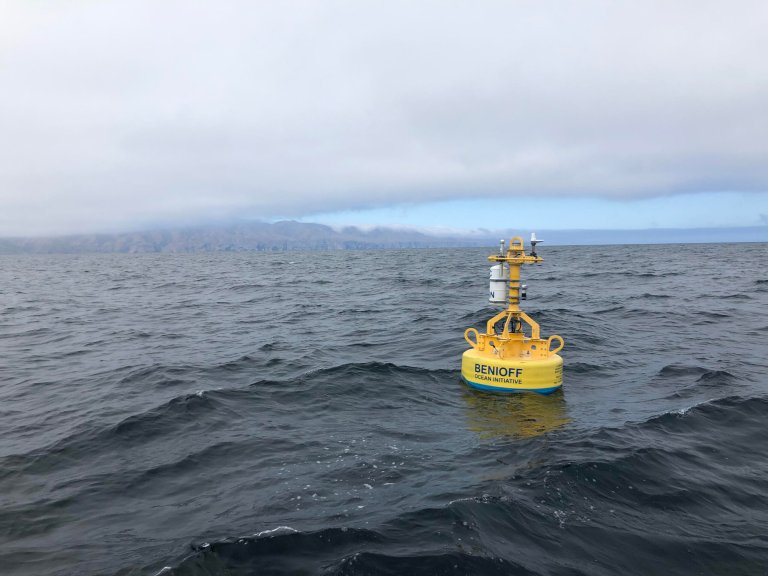
robotic buoy floating in ocean
Robots

Whale-monitoring robots are oceanic eavesdroppers with a mission

Whitespotted eagle ray swimming in the ocean.
Ocean

Scientists test different gear for protecting clams from ‘crunching’ rays

The mysterious ‘Tully monster’ didn’t have a spine after all
Evolution

The mysterious ‘Tully monster’ didn’t have a spine after all

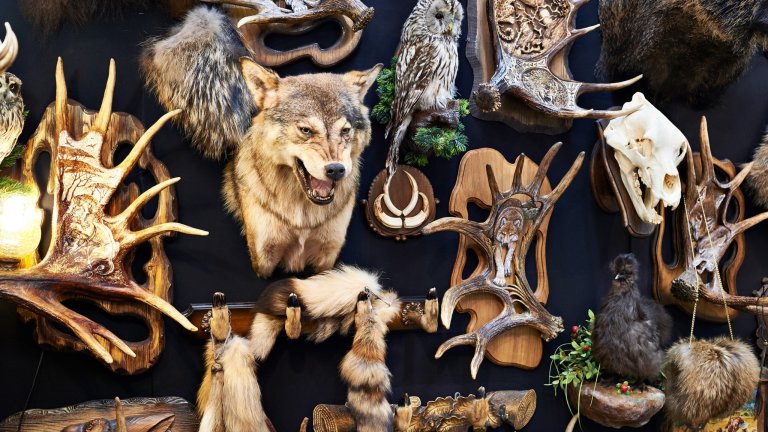
wall of taxidermy animals and skeletons
Birds

Humans are dangerous predators because we love collecting weird animals

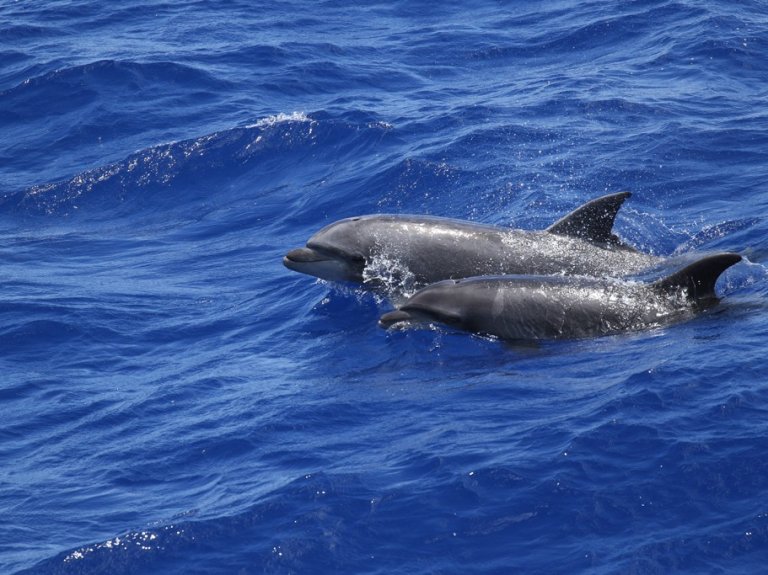
bottlenose dolphins
Ocean

Manmade pollutants could be harming marine mammals more than we think