Dextre, the Space Station’s Robotic Arm, Will Try its Hand at Satellite Refueling
Finally, gainful employment for Canada's space robot
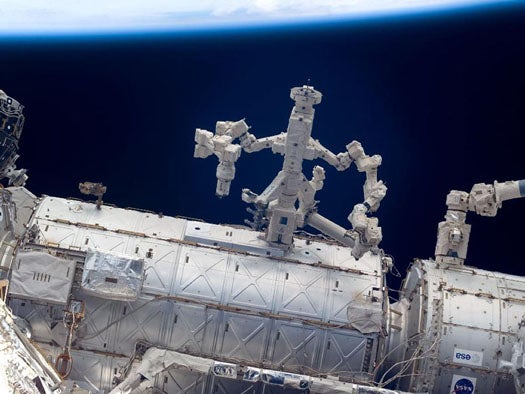
Dextre, the Canadian robot living idly on the exterior of the International Space Station, will freeload no more. Dextre’s first major job as the ISS’s man on the outside will demonstrate key technologies that will hopefully lead to future robotic systems that can refuel satellites in orbit, creating a new breed of legacy satellites that don’t have to be scrapped simply because their fuel supplies have dwindled.
Take a look inside Dextre’s toolbox
Dextre–or the Special Purpose Dexterous Manipulator–is a two-armed robot designed to assist with spacewalk activities on the ISS and, in some cases, replace those extravehicular activities. But thus far, Dextre has been more of a helping hand, performing menial tasks like unpacking cargo.
But it’s now Dextre’s time to cut its teeth on some real cutting-edge space labor. When Atlantis launches for the ISS next month, it will deliver Dextre a collection of fittings and tools that match up to the fixtures integrated into various satellites and spacecraft. Dextre will use these over the next two years to demonstrate that a robotic system is capable of refueling a satellite in orbit, paving the way for a future robotic mission that will try to refuel an aging NOAA weather satellite.
But this isn’t simply pumping gas. The current crop of satellite in orbit–that more than 350 commercial satellites and another 100 government-backed satellites–weren’t designed with refueling in mind. They pack no systems to aid in robotic navigation or the reflectors or symbol language that computer vision systems often use for robotic vehicular docking.
These satellites were basically designed to never be refueled at all, so there are myriad problems spanning robotics, satellite design, navigation systems, and computer vision that have to be solved before a robotic mission can launch. On top of all that, Dextre will also demo rudimentary satellite repair capabilities.
That’s a big job, but the payoff is potentially huge. Satellites, of course, are expensive to build and very expensive to haul into orbit. Extending their lives could spell big savings down here on the ground while helping us get the most out of our space investments. As such, NASA hopes to partner with a commercial entity to develop a satellite refueling and servicing business–a collaboration that, if Dextre is successful, could launch a robotic mission to refuel that NOAA satellite and potentially nine other satellites that by that point will be running on fumes.
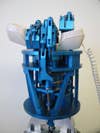
SARAH (Self-Adaptive Robotic Auxiliary Hand)
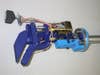
BMT (Blanket-Manipulation Tool)
REPAIR
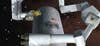
CONTROL
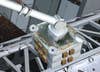
REACH
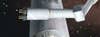
GRAB