New light-emitting electrochemical cells could replace OLEDs
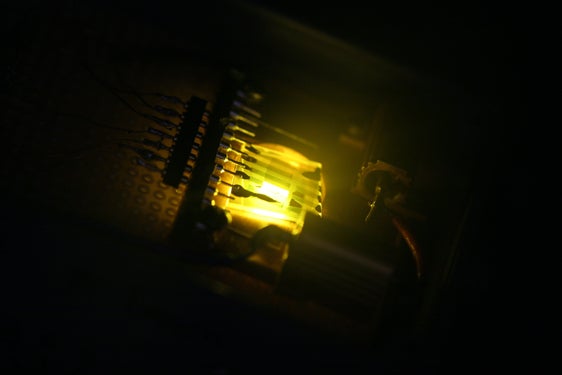
Light-emitting Electrochemical cells Lighting the way for a graphene-based future Linkoping University/Umea University/Rutgers University

Graphene may brighten the future more literally than we had originally anticipated, besides merely revolutionizing electronics and Silicon Valley. Swedish and American researchers have transformed the one-atom-thick carbon material into a new, inexpensive lighting component that could give organic light diodes (OLEDs) a run for their money.

An OLED simply consists of light-generating layer of plastic sandwiched between two electrodes, one of which is transparent. This provides an ultra-thin, power-sipping technology for everything from smart phones to TVs, but it comes at a relatively high manufacturing cost. The OLED transparent electrode also uses an indium metal alloy, which presents the problems of being rare, expensive and difficult to recycle.

"By using graphene instead of conventional metal electrodes, components of the future will be much easier to recycle and thereby environmentally attractive," said Nathaniel Robinson, a chemical engineer at Linkoping University in Sweden.

Making the new graphene-based light-emitting electrochemical cells (LECs) can involve just liquid solutions or a printing press-style machine. That paves the way for inexpensive production of plastic-based lighting or displays. The researchers envision flexible LEC sheets that could be rolled up or placed almost anywhere.

Graphene has proven a promising but difficult material to manufacture in the past, because researchers often had to clumsily chip away at graphite in hopes that graphene might flake off. But a recent flurry of developments such as this suggests that the manufacturing problems are rapidly disappearing.

It's still hard to tell whether the graphene LEC replacements can fully surpass OLEDs in terms of display and performance, but we're anticipating good things.

6 Comments

So are these LECs just OLEDs with graphene electrodes instead of an indium metal electrode?

I just looked it up, and LECs also apparently use an ion charged polymeric solution as its electroluminescent sandwich layer.

what OLED TV aren't thin and expensive enough? we need something to replace it already?

There appears to some seriously flawed issues surround our lighting sources. I am not an expert, though we actively involve ourselves due to the nature of the business I work in. What is really occurring here. We decided to rid of the single light globe that adorned every house for centuries and now we have lighting that requires at least 10 times more light in a room and the life span is short! Answers would be welcomed.

www.lumalighting.co.uk

Again, further research into alternative technology for our energy needs will mean, one day the solution will be available for the inhabitants on our precious planet will have its cake and eat it too. I am a keen advocator of using natural resources with little or no production costs where possible. Until we can fully use our natural sunlight and incorporate will solar energy our costs and effect on the planet will continue to soar.

www.litecraft.co.uk

Graphene's is has been used for conducting electrodes for applications like the touch screens, computer and hand held devices with screens. Now with the opportunities to challenge OLED with the Graphene many feel it may increase the benefits that include improved recycling but also “size” as Tin oxide is brittle where Graphene can be used over a large area. With a better spread it may mean large screens such as TV and other forms of viewing products may be produced with Graphene.
www.ldj-lights.co.uk


June 2013: American Energy Independence

Five amazing, clean technologies that will set us free, in this month's energy-focused issue. Also: how to build a better bomb detector, the robotic toys that are raising your children, a human catapult, the world's smallest arcade, and much more.


Online Content Director: Suzanne LaBarre | Email
Senior Editor: Paul Adams | Email
Associate Editor: Dan Nosowitz | Email
Assistant Editor: Colin Lecher | Email
Assistant Editor: Rose Pastore | Email

Contributing Writers:
Rebecca Boyle | Email
Kelsey D. Atherton | Email
Francie Diep | Email
Shaunacy Ferro | Email

circ-top-header.gif
circ-cover.gif
bmxmag-ps