DARPA Wants Cryogenic Technology on the Battlefield to Freeze Traumatic Brain Injury in its Tracks
The Pentagon's mad science lab is trying to create a device that can cool traumatized brains and slow secondary damage from blasts
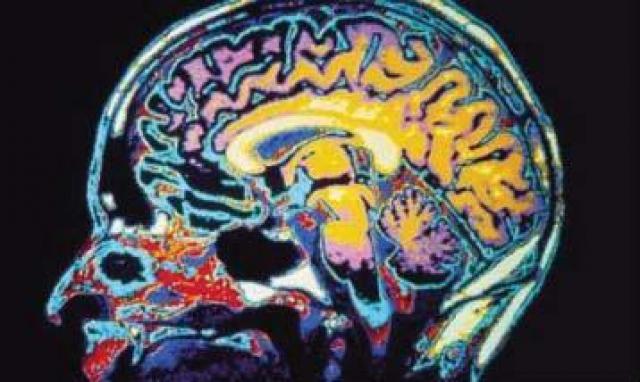
Blasts from improvised explosives and RPGs can cause traumatic brain injuries among soldiers, which can leave permanent damage. Sounds like a challenge for the Pentagon’s mad science lab DARPA, which has issued a call for a brain freeze device that could stop the after-effects of brain trauma in its tracks, Wired’s Danger Room reports.
DARPA’s proposal describes traumatic brain injury as the “signature wound of the War on Terror,” and notes the significant boost in the injuries due to the common danger of roadside bombs. A blast inflicts a double whammy on the brain: first from the initial moment of trauma when tissues and blood vessels become stretched or torn, and second from the slower secondary damage as cellular processes and biochemical cascades ripple outward and result in more brain cell death. Such secondary damage can become irreversible in as little as 90 minutes, and accounts for the most chronic trauma damage cases and deaths.
We here at PopSci also previously examined these devastating effects on the lives of warfighters, long after their combat tours.
Past studies have shown how cooling the brain can dramatically protect humans suffering from strokes or aneurysms, and so DARPA wants to apply the same solution to traumatic brain injuries. The trick involves finding the right cooling temperature to slow trauma’s ripple effect, but without causing damage to the brain through freezing — a difficult task given that such a temperature may differ depending on the individual warfighter and his or her injury.
A combat-deployable device would ideally contain closed-loop feedback to regulate the temperature, as well as a quick diagnosis approach that could determine the best temperature. So any would-be medical saviors, put on your thinking caps and get to work.
[via Danger Room]