Researchers See Better Optical Data Storage Through Shrimp Eyes
In the data storage arena, developing smaller systems has always been the name of the game. But UK researchers have...
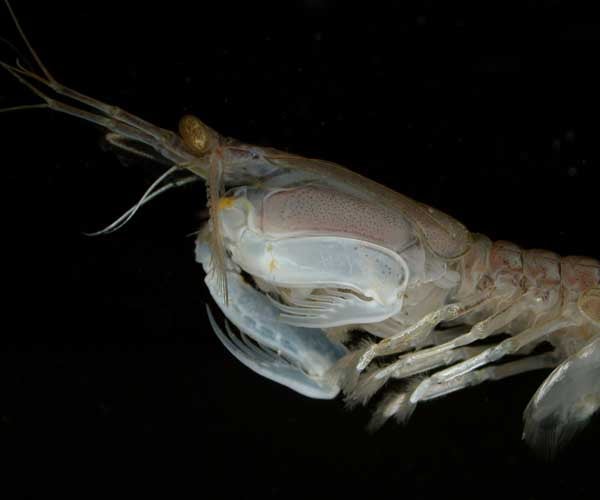
In the data storage arena, developing smaller systems has always been the name of the game. But UK researchers have discovered that the tiny eyes of the mantis shrimp have held the secret to optimizing optical data systems all along. By mimicking the natural design of the mantis shrimp eye, researchers think they can enhance the capacity of media like CDs, DVDs and data projectors.
The polarization of light in optical systems is manipulated by components known as wave plates. But while designing wave plates that can change the polarization of light within singular colors is relatively simple, scientists thus far have been unable to create wave plates that work across many different colors of light. But the biology of the mantis shrimp offers a unique geometry that could solve the problem.
The mantis shrimp’s eye contains a wave plate that possesses a high level of achromaticity – that is, it works well across all visible wavelengths, from blue to red. A cluster of uniquely designed tubes in the shrimp’s photoreceptors make this increased achromaticity possible; by emulating that design, researchers believe they can create man-made optical systems that perform far better than the single color systems widely available now. Not bad for a bottom-dwelling crustacean.