New Device Sequences Complete Human Genome Faster, Cheaper Than Ever
New machine a significant step towards personalized genetic medicine
As soon as scientists began decoding the human genome, speculation started about an impending age of personalized genetic medicine. Health care Cassandras spun enticing yarns about a future where a patient’s disease predispositions would be quickly and cheaply identified. And years after Craig Venter decoded the first human genome (his), the best we’ve got is a mail order service that guesses at your risk for Alzheimer’s.
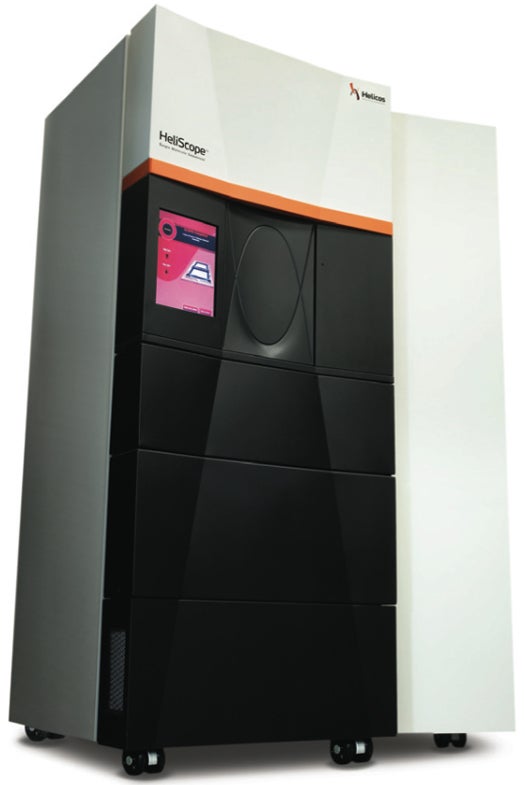
Now, a new gene sequencing device designed by Stanford engineer Stephen Quake may finally usher in the long predicted practice of personalized genetic medicine. By using a new refrigerator-sized machine to decode the DNA, Quake has cut both the cost and time of the process by at least a fifth.
Quake’s device, called the Heliscope Single Molecule Sequencer, unzips the DNA and fixes the loose strands to a plate of glass. Then the DNA is rebuilt with components that emit light when they bond with the fixed DNA half-strands. A microscope records the light, and a computer process the light emissions to create a complete picture of the subject’s genome.
The HSMS can sequence an entire genome in three weeks, for less than $50,000. By contrast, the Human Genome Project took a decade and cost $2.7 billion. Similarly, the most recent full human genome cost $250,000 to decode.
The machines themselves cost around a million dollars, but considering an MRI machine could cost as much as three million, that’s not outside the common range of hospital equipment costs.
Of course, having a patient’s complete genome doesn’t necessarily help a doctor right off the bat. Genes are just the beginning, and a long chain of still poorly understood DNA/protein and protein/protein interactions determine how each of those genes are ultimately expressed in a patient. Fortunately, cheap genome decoding is just the kind of process needed for the research that will ultimately make the decoding of a patient’s genome a key component of nearly any treatment.
[via The New York Times]