According to a new study, the controversial, versatile cells could be used to reverse hearing loss
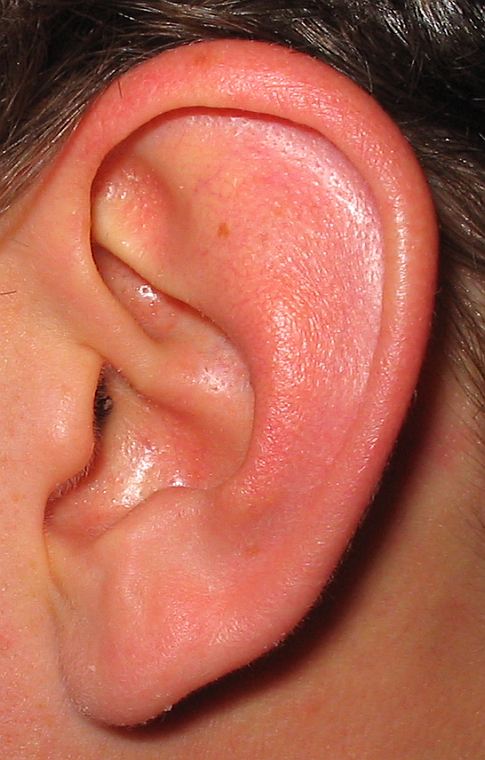
Ear David Benbennick (GNU Free Documentation License)

Thanks to a new technology that is still a little wet behind the ears, scientists now have reason to believe that stem cells have the potential to restore hearing loss. Although the cutting-edge science behind this project is still in the early research stage, scientist at the University of Sheffield have successfully induced fetal stem cells to behave like sensory hair cells and auditory neurons, two types of cells vital to a functioning auditory system. First cultured in a lab, the stem cells are used to generate auditory-specific cell types which can then be surgically transplanted into the ear to restore lost hearing.

Until now, deafness was considered a permanent condition, since the inner-ear tissue used to detect sound can only develop in utero. If this tissue gets damaged, there has been no known way to repair it. But laboratory results from the research team at Sheffield show the new cells in the lab behave identically to normal cells in a developing ear.

The potential of stem cells to cure diseases like Alzheimer's is still largely unknown, but these simpler, localized approaches -- which involve fewer cells -- may be the first step towards success. And that is music to my ears.

[Via NewsDaily]

Want to learn more about breakthroughs in electronics, medicine, nanotech, and more?
Subscribe to Popular Science today, for less than $1 per issue!

5 Comments

The potential of stem cells to cure diseases like Alzheimer's is not unknown - we just need more time. With time anything can be done with powerful stem cells.

B
http://nobosh.com/current-health-news/

As a younger person (I'm 30, so I like to think thats still young) with profound hearing loss, this sounds fantastic. Hopefully it works, it would be the realization of a dream.

Unless you have a major hearing loss you just can't imagine how good it is to hear about the stem cell research. I do pray that this comes true for the millions of people like myself that has had there live forever changed because of a hearing loss not to mention the TINNITUS that comes with it. I am sure that everyone would agree with me that tomorrow wouldn't be soon enough.

i suffered from total permanent sudden loss of hearing in one ear in 1990, and according to doctors it was due to nerve cell damage although i believe i did nothing to cause it. of course, since then i have been more sociallly withdrawn and it accompanies with tinnitus. now at age 37 i am still single with no lover and very little friends, and survive with some computer jobs while subjected to bullying and hurtful office politics.

@PLUMTART,
Terrible. People have no respect for it. Do you wanna to talk?
Please let me know. - Lyn


138 years of Popular Science at your fingertips.

Innovation Challenges


Popular Science+ For iPad

Each issue has been completely reimagined for your iPad. See our amazing new vision for magazines that goes far beyond the printed page


Download Our App

Stay up to date on the latest news of the future of science and technology from your iPhone or Android phone with full articles, images and offline viewing


Follow Us On Twitter

Featuring every article from the magazine and website, plus links from around the Web. Also see our PopSci DIY feed


February 2012: The Future of Fun

Science is reinventing play, from extreme sports to gamification to ridiculous roller coasters to the playgrounds of tomorrow, and this issue is chock full of fun. Also, on a less fun note: Did global warming destroy my hometown?


circ-top-header.gif
circ-cover.gif
bmxmag-ps