Waiting for the LHC online-again date with bated breath? May want to inhale again
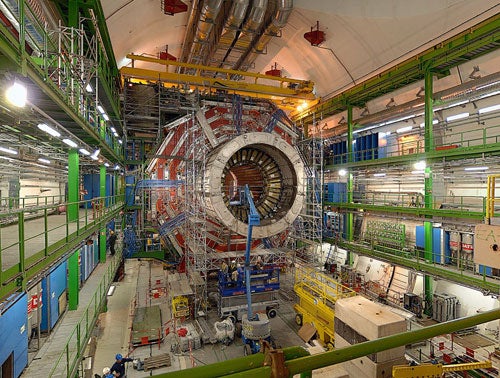
The Collider Peter McCready

All those planning for the end of the world in July, rest easy and enjoy the summer.
The European Organization for Nuclear Research (CERN) is delaying the Large Hadron Collider (LHC) startup another two months. According to CERN, the LHC will go live in September and collisions will begin in October.

The collider was first switched on last September and just nine days later, was turned off due to a leak in its liquid-helium plumbing. To make up for missed time, CERN announced it will be running the LHC through the winter. Usually atom-smashers hibernate during the winter, avoiding the peak electricity rates and allowing for maintenance, but the LHC will have only a brief respite: Christmas vacation.

The two month delay in restarting the machine will give engineers time to install warning and protection systems, in hopes of preventing another premature shutdown. The system will include pressure-release valves to stop wide-spread damage should another rupture occur and an early turn-off system that would detect problems and shutdown the machine before major damage could be done.

Want to learn more about breakthroughs in electronics, medicine, nanotech, and more?
Subscribe to Popular Science today, for less than $1 per issue!

4 Comments

Why weren't these safety systems in place before they started it up the first time?

bdhoro87

from coral gables, fl

Sabotage! or cocky engineers lol

I think the comparison you apply to people who may or may not have rational reasons to oppose cavalier start of the LHC is impolite. I am not opposed to pursuing the LHC due to religious reasons but reasons that to my knowledge the risks are not balanced with the ability to assure safety.

Why do you persist in labeling those who may have rational scientific based opinions as being from the lunatic fringe? Does that not make you the lunatic?

bdhoro87

from coral gables, fl

It's funny how easy it is for the general population to be irrationally frightened. It's easy, if you generally know nothing of the science behind a project like the LHC, to be persuaded that there will be bad effects because of the imagined consequences.

It's almost impossible to un-scare people - it doesn't matter how many scientific studies, as well as colliders that are already running, prove that the danger is fictitious, even imagined danger will strike fear in the public because fear suppresses mind's ability to think logically in regard to death. (These are the same people who would argue for a rational belief in God because the consequences of going to hell outweigh any possible benefit of refusing belief)


138 years of Popular Science at your fingertips.

Innovation Challenges


Popular Science+ For iPad

Each issue has been completely reimagined for your iPad. See our amazing new vision for magazines that goes far beyond the printed page


Download Our App

Stay up to date on the latest news of the future of science and technology from your iPhone or Android phone with full articles, images and offline viewing


Follow Us On Twitter

Featuring every article from the magazine and website, plus links from around the Web. Also see our PopSci DIY feed


February 2012: The Future of Fun

Science is reinventing play, from extreme sports to gamification to ridiculous roller coasters to the playgrounds of tomorrow, and this issue is chock full of fun. Also, on a less fun note: Did global warming destroy my hometown?


circ-top-header.gif
circ-cover.gif