How to Watch the Last Transit of Venus This Century
Observatories the world over will be watching on Tuesday as Venus crosses the face of the sun for the last...
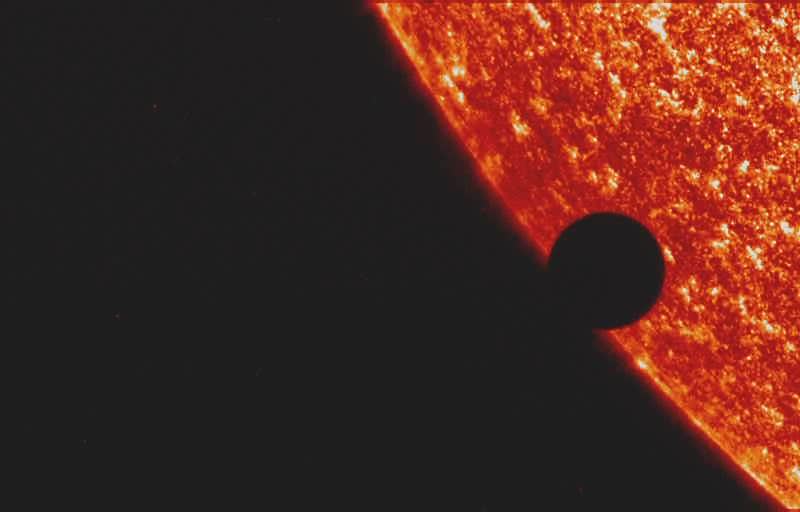
Observatories the world over will be watching on Tuesday as Venus crosses the face of the sun for the last time in any of our lifetimes. It will be a banner day for astronomers, providing ample opportunities for measuring Venus’ characteristics, and for determining some rules that will help in the hunt for exoplanets. But it’s also just an amazing thing to behold, and you can watch it, too — as long as you follow some safety precautions.
First and foremost: Never look at the sun directly. Your retina does not have pain receptors, so you’ll never feel it as the sun’s blazing glare fries your eyes.
Astronomy clubs, universities and planetaria around the country will have special glasses you can wear — and you can go here to find one in your area. If you saved the eclipse glasses you wore for the solar eclipse last month, those will work, too. If all else fails and you just have to see it with your own eyes, go to a hardware store and buy #14 welder’s glass. That’s the only glass dark enough to protect your eyes.
Sky & Telescope magazine has an excellent go-to guide, where you can learn more about how to safely observe the sun. The entire United States will be able to see at least part of it.
If it’s cloudy, plenty of observatories are planning live webcasts through various solar telescopes. NASA will be webcasting from the summit of Mauna Kea in Hawaii. The island state will be able to witness the entire transit, while much of the rest of the country will see only part of it before the sun sets.
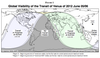
Transit Map
The Exploratorium in San Francisco will be webcasting from the Mauna Loa Observatory.
Astronomers Without Borders will be webcasting from Mount Wilson Observatory in California.
The University of Barcelona will webcast from Svalbard, Norway, where the transit will be visible at sunrise. (Site is in Spanish.)
NASA’s Sun-Earth Day page and NASA’s Kepler page have several other resources you can check out.