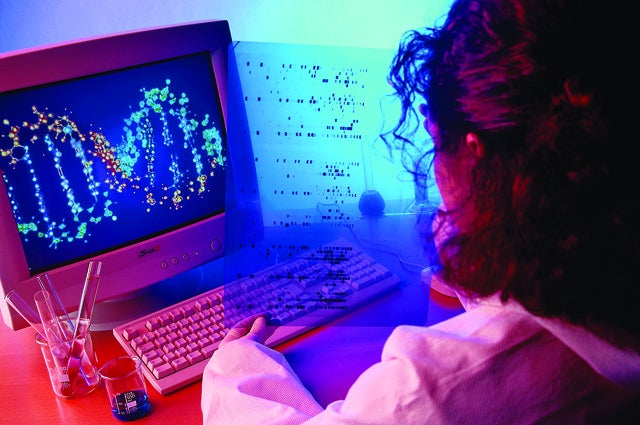
The ACLU is one step closer to getting patents on human genes banned after a federal court today ruled that its lawsuit can continue. The defendants (The US Patent and Trademark Office and the owners of the BRCA breast cancer gene patent) had asked the court to dismiss the case.
About 20 percent of the human genome is currently patented, including genes associated with many diseases such as breast cancer and Alzheimer's. The patents mean that outside researchers need permission to study the genes and that tests can be astronomically expensive. (The test for BRCA is about $3,000.)
For a more thorough examination of the problems (and advantages) of human gene patents, check out our story from our August issue here.
Stay up to date on the latest news of the future of science and technology from your iPhone with full articles, images and offline viewing
Carry everything you need to make a smart buy on HDTVs, cameras and 14 other product categories right in your pocket
Featuring every article from the magazine and website, plus links from around the Web. Also see our PopSci DIY feed
Share links with friends, comment on stories and more
Innovative fixes for five of the country's biggest infrastructure messes, plus a look the quest to read the human mind, the LCD screen that might finally kill paper dead, and the world's scariest science.
Read the issue here.
Brian P.
I'm glad the ACLU is doing this. I don't understand how these companies think they can patent something that is nature made. It makes me want to claim H1N1 so if someone wants to make a better flu vaccine you have to pay me first. Now I can understand if these guys know of a way to manipulate genes to make womens boobs bigger, I'd let them patent that. But, owning the patent on big boob genes, No Way!
I don't know about you, but I make a killing off my EBOV patent.
Bravo to the ACLU!
This over-patenting of everything in sight should have been dealt with years ago, but now it has gotten so bad that it is obvious that there is a problem that needs fixing.
Sure, it should be OK to patent a TEST for a gene, but not the gene itself, which was created in nature and reproduced naturally.
I have been particularly annoyed about the BRCA gene test, as I have a close family member who really would like to know if the breast cancer they had involved genes that could be inherited by their descendents. Is the $3000 test on the patented gene covered by insurance? Ha! Of course not.
This is wrong. How can you try and sell permission to naturally occurring genes. Human greed needs to end or there will be no future for humans
I so wish that the people who hold patents to these genes somehow fell ill to a genetic disorder in which somebody else held the patents to the genes that affected their disease. And then, those people would refuse to allow ANY testing done on those genes. That would be what they deserve.
Those idiots are withholding vital care and research to dying people because they want to turn a buck. That's comparable to a weapon of mass destruction because it could potentially mean the death of thousands, if not millions due to their unwillingness to allow testing and research.
I need to get started on patenting my whole genome so all those scientists that want access to my awesomeness will have to kill the unlicensed clones they make of me. Myriad was at a jobs fair at my school a little while ago there representative seemed rather unintelligent. Based on that interaction I hope there patent('s) fail. I think genetic patents should however be allowed for genetic engineering that passes a strict examination of obviousness by competent peers.
This is a little more complex then it might appear. Apparently these companies are spending big bucks to isolate these genes. The patents are one way for them to recover these costs.
It may not be a perfect system, but companies have to be able to recover their research costs somehow. If not, then they will stop doing the research.
I'm not siding with anyone, just mentioning that it is not all that simple.
Maybe a better solution is to do what they do with drug companies where they can hold a patent for a handful of years and then it gets opened to anyone. Then the companies rake in the dough for a couple of years, then competition takes over.