Engineer designs a video-camera equipped, pocket-sized flying robot
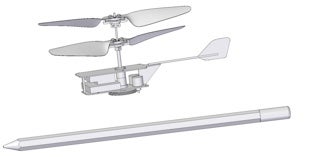
Black hornet prototype Prox Dynamics

Two years ago we wrote about Norwegian engineer Petter Muren's effort to build a mini copter weighing only 3.3 grams. that radio-controlled craft, the Picoflyer, could take off from the palm of your hand. Now Muren has designed the larger but more capable Black Hornet.

It will still only weigh 20 grams, and will stretch just 4 inches long. Muren, who holds the record for designing and building the world's smallest remote-controlled helicopter, says the Black Hornet will be able to fit in your pocket, and users will be able to launch them in under a minute. Equipped with a tiny video camera, the Black Hornet could be used to give soldiers another set of eyes in the sky, or allow rescue or emergency workers to peer inside contaminated or otherwise dangerous buildings.

Muren and his new company, Prox Dynamics, hope to release the first Black Hornet by 2009, and start shipping the tiny fliers to customers a year later.

7 Comments

Pomroy

from Ponoka, Alberta

totally gonna buy one of these

DarkFx

from Winnipeg, Manitoba

MiniHd Cam with a widelens on this would be pretty wicked for video.

TheRealWazzar

from Oxenford, QLD

Could you get me one while you're at it Pomroy? ;)

privacy? what privacy, even the bugs carry cameras

isn't it already easy enough for stalkers to spy on you?

yes and we're making it easier for the stalkers

i need to get one of these things, that way i have something to do @ school. lol


138 years of Popular Science at your fingertips.

Innovation Challenges


Popular Science+ For iPad

Each issue has been completely reimagined for your iPad. See our amazing new vision for magazines that goes far beyond the printed page


Download Our App

Stay up to date on the latest news of the future of science and technology from your iPhone or Android phone with full articles, images and offline viewing


Follow Us On Twitter

Featuring every article from the magazine and website, plus links from around the Web. Also see our PopSci DIY feed


February 2012: The Future of Fun

Science is reinventing play, from extreme sports to gamification to ridiculous roller coasters to the playgrounds of tomorrow, and this issue is chock full of fun. Also, on a less fun note: Did global warming destroy my hometown?


circ-top-header.gif
circ-cover.gif