The GeoEye satellite continues its stunning photo series
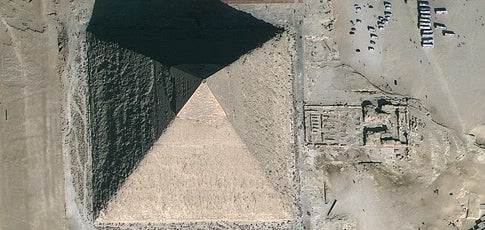
The Pyramid of Giza GeoEye (See it bigger!)

Here are a couple more from our favorite eye in the sky.

Both half-meter resolution images were snapped from space by the GeoEye-1 satellite, which also took those fantastic pics of the National Mall on Inauguration Day.

First, the Great Pyramid in Giza, Egypt, the tomb constructed around 1560 BC for the Fourth dynasty King Khufu. Sitting just in front of the Great Pyramid is the Great Sphinx of Giza. Built a few decades later, it is the world’s oldest known monumental sculpture.
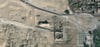
The Sphinx from Space:  GeoEye (See it bigger!)

Want to read more articles on the military, aviation, and space? Subscribe to Popular Science today, for less than $1 per issue!

3 Comments

billdale

from Los Angeles, CA

.
Spy satellites, Predator aircraft and similar systems, in my opinion, are far underutilized. If there were enough of them, and enough human monitors to track ground movement, we could virtually end IED attacks, suicide car bombers and similar terrorism.

If an area were sufficiently monitored, once any terrorist attack occurred, analysts could trace back where the terrorist had been in the last several days; a pattern would develop. Suicide bombers are not brave, just stupid and hopeless. The people that convince them to commit these acts are also not brave, just smart enough to stay hidden. If the suicide lackeys can show us where these plans are hatched, the cowards that direct them will be less emboldened to commit further attacks; if they do try, we'll likely know enough to be able to neutralize their operations.

Laser weapons are also underutilized. If we can identify terrorists, with a short efficient laser burst from those same spy vehicles we can disable them with serious burns and/or blind them. Rather than blowing up houses that kill women and children, causing PR nightmares, we can neutralize individual terrorists, who will need medical attention that saps the resources of fellow combatants; they want martyrdom, not woeful sympathy.

They are not afraid to die because they think it will take them instantly from a wretched existence to a coveted paradise, but if they are crippled and in pain, they are robbed of the instant gratification they seek. Their religious beliefs do not allow them to kill themselves, so they become pitied burdens to those around them, and grotesque displays to everyone that committing terrorism will bring them none of what they seek. With enough such examples of what can be expected if they commit heinous acts, would-be terrorists may reconsider such treachery.

And in the process you give up all your freedoms and personal space, smart idea. You can already be tracked in that pattern, PopSci actually did an article on it. It is very difficult to stay "off the grid" for very long, if at all. I for one, are against heavy surveillance.

You are only afraid of heavy surveillance due to your own fears of what the surveillance monitoring teams would see you doing. I for one agree that spy technology is under-utilized and that is why there is so much bloodshed in the world today. If there were more surveillance then we would be saying goodbye to our loved ones and friends who are sent overseas to fight a battle that was started over a personal vendetta that the former president had against a nation. He gained this vendetta when the Twin Towers were attacked in 2001. The shameful thing of it is that our own government knew of the attacks six months before they were carried out and yet they did nothing to stop or suspend it from coming about.


138 years of Popular Science at your fingertips.

Innovation Challenges


Popular Science+ For iPad

Each issue has been completely reimagined for your iPad. See our amazing new vision for magazines that goes far beyond the printed page


Download Our App

Stay up to date on the latest news of the future of science and technology from your iPhone or Android phone with full articles, images and offline viewing


Follow Us On Twitter

Featuring every article from the magazine and website, plus links from around the Web. Also see our PopSci DIY feed


February 2012: The Future of Fun

Science is reinventing play, from extreme sports to gamification to ridiculous roller coasters to the playgrounds of tomorrow, and this issue is chock full of fun. Also, on a less fun note: Did global warming destroy my hometown?


circ-top-header.gif
circ-cover.gif