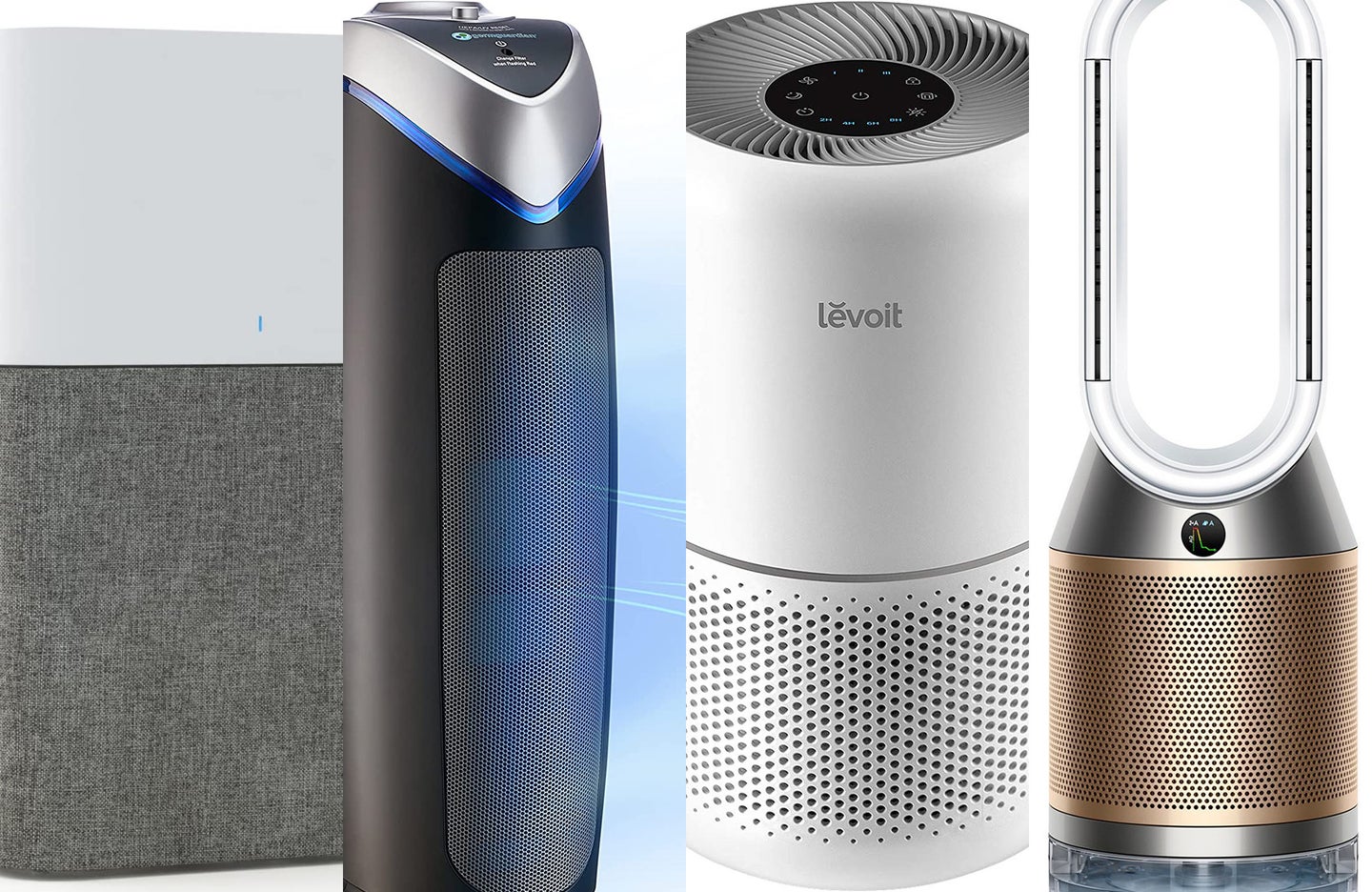
The best air purifiers for 2024
Whether you’ve got pets, allergies, or worries about wildfire season, you can look forward to better air quality with one of our well-filtered purifier picks.
| Best for large rooms |
|
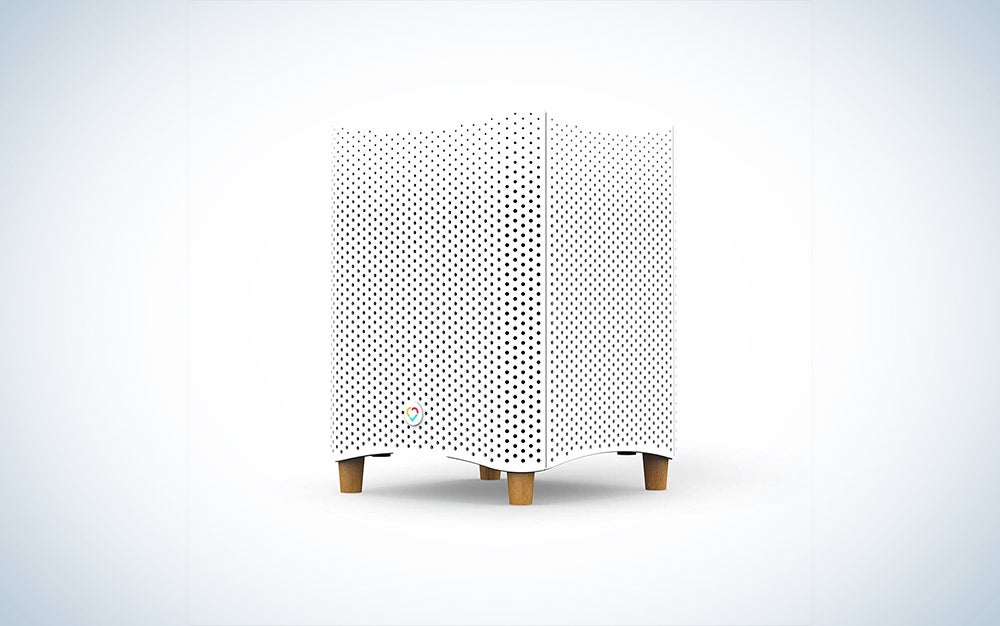
Mila Smart Air Purifier | SEE IT |
This all-purpose smart air purifier adapts to room size and comes with a carbon monoxide detector and sleep and white noise modes. |
|
| Best for smoke |
|
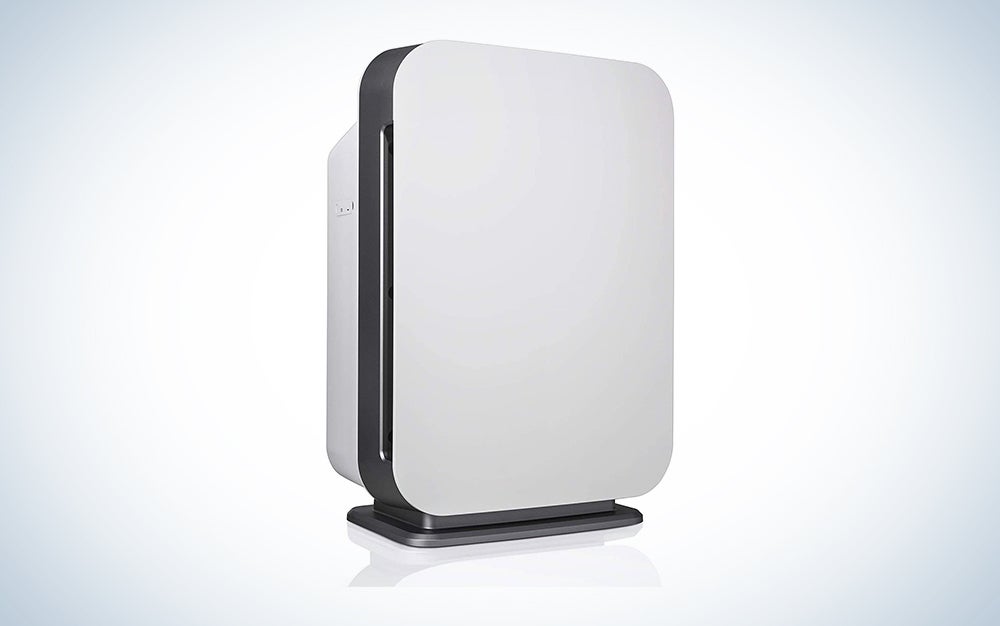
Alen BreatheSmart 75i | SEE IT |
This model detects smoke particles and kicks into automatic overdrive to mitigate it. |
|
| Best for allergies |
|
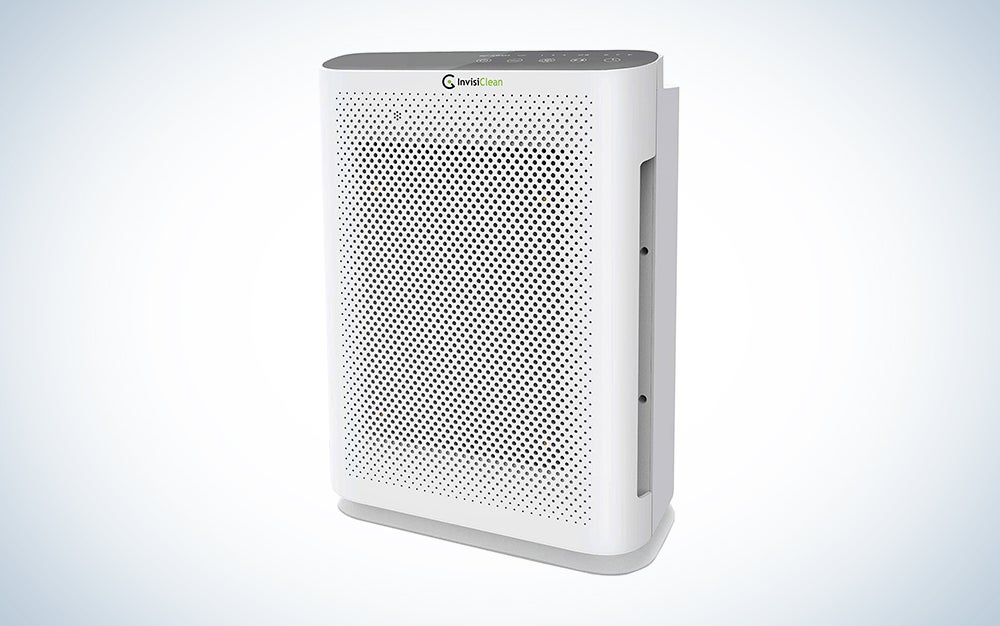
InvisiClean Aura II Air Purifier | SEE IT |
Certified to keep you safe from pollen and not contribute to dangerous levels of ozone gas. |
We may earn revenue from the products available on this page and participate in affiliate programs. Learn more ›
Air purifiers suck in pollen, dust, smoke, other allergens, and even viruses—pummeling them and then circulating clean, filtered air. It sounds simple enough, but not all purifiers are created equal, and there isn’t one that’s right for every person. Your particular environment and the size of your home are huge factors in choosing the best option for you. Is allergy season wreaking havoc on your sinuses? Do you live in a smoggy city? Has wildfire smoke been wafting through, blanketing everything in an unnatural haze? In short, even the finest filters aren’t guaranteed to fix all that ails you and your home. But if you’re wondering whether air purifiers are really worth it … we think so. They can help distribute cleaner air, and that’s always a good thing, considering the link between air quality and health. So, read on as we clear the air on what we think are the best air purifiers.
- Best overall: Dyson PH04 Purifier Humidify+Cool Formaldehyde
- Best for large rooms: Mila Smart Air Purifier
- Best for small rooms: LEVOIT Air Purifier for Home Bedroom
- Best for quiet: Blueair Blue Pure 311i Max
- Best HEPA: Coway Tower True HEPA Air Purifier
- Best with UV light: Germ Guardian True HEPA Filter Air Purifier
- Best for allergies: InvisiClean Aura II Air Purifier
- Best for smoke: Alen BreathSmart 75i Purifier
- Best for mold: PuroAir 400 HEPA 14 Air Purifier
- Best for pets: LEVOIT Core P350 Air Air Purifier
- Best budget: LEVOIT Air Purifier for Home, Core 300
How we chose the best air purifiers
As pet owners and parents, we’ve experienced our fair share of smells and toxins—and that’s just from inside the house. And whether allergy or wildfire season is upon us, there’s always something environmental to consider. With all this in mind, we compiled peer recommendations, critical reviews, online research, user impressions, and plentiful personal testing to create this list of the best air purifiers. We also examined what each air purifier claims to eliminate from the air, its HEPA square footage, and the filters’ MERV (minimum efficiency reporting values) rating ratings.
The best air purifiers: Reviews & Recommendations
Pollen, pet dander, smells, smoke, germs, and other airborne goblins are no match for the best air purifiers. This list includes quiet air purifiers, ones that double as humidifiers, and even ones that claim they can help with a majority of airborne pathogens.
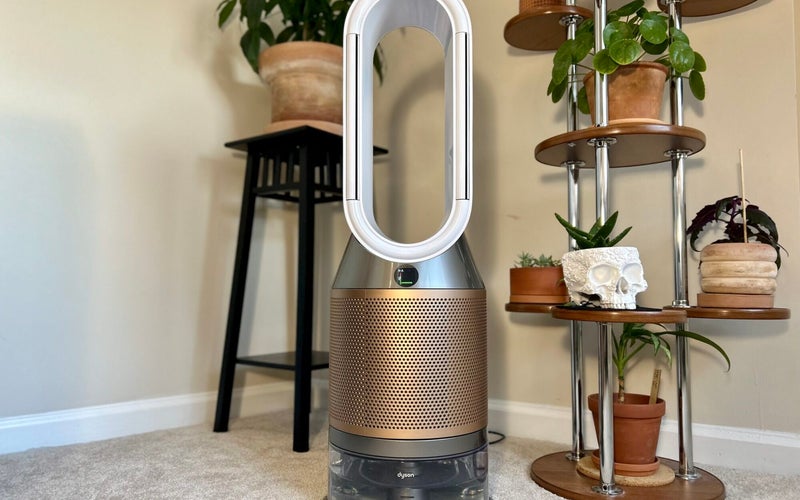
Best overall: Dyson Purifier Humidify+Cool Formaldehyde
Tony Ware
Why it made the cut: This three-in-one smart device automatically adapts to changes in air quality and humidity.
Specs
- Recommended room size: 400 square feet
- Dimensions: 36.66 x 11.02 x 12.23 inches
- App connectivity: Yes
- Max decibels (dB): 59.8 dB
Pros
- Connectivity with Siri and Alexa
- Three products in one
- Air quality reporting
Cons
- Expensive
Between its TikTok- and Insta-famous Airwrap multistyler to its line of powerful vacuums, Dyson has made a name for itself in sucking—which we don’t mean negatively. The Dyson PH04 Purifier Humidify+Cool Formaldehyde proves yet again that Sir James Dyson really knows what he’s doing when it comes to pushing air out and in. This air purifier uses an intelligent sensing system and Air Multiplier technology to purify, humidify, and cool the air. You don’t even need to touch the stylish, distinctive unit—it automatically senses and reacts to changes in air quality and humidity (we’ve watched one enthusiastically spring to life time and time again after a particularly aggressive sauté session in the kitchen). It even features a solid-state sensor to detect and destroy formaldehyde emitted by household items—a boon if you’re in a newly renovated/refurbished space, as fresh carpet and new mattresses are emitting odd things.
You don’t have to worry about airborne baddies getting re-released into the air since the entire purifier-humidifier is fully sealed to the HEPA H13 standard. If you love numbers, neat tech, and data, this machine will tickle your brain when it reports your air quality in real-time on the LCD screen and DysonLink app (which you can use to tweak/schedule usage). The filters are low-maintenance and easy to replace, and the machine features a deep-clean cycle to get rid of mineral build-up and bacteria that may be lurking in the water system. Although it’s almost $1,000, you’re getting three devices for the cost of one. Talk about smart.
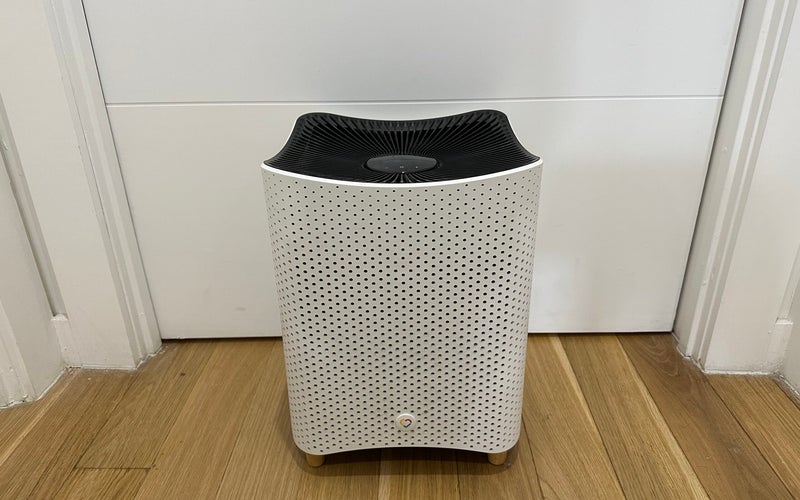
Best for large rooms: Mila Smart Air Purifier
Billy Cadden
Why it made the cut: This mold- and carbon monoxide-detecting air purifier comes in different filter configurations for custom air purification.
Specs
- Recommended room size: 1,000 square feet
- Dimensions: 12 x 12 x 15 inches
- App connectivity: Yes
- Max decibels (dB): 62 dB but lowers to 24 dB while in room
Pros
- Stylist
- Small
- Carbon monoxide, mold detection, and white noise machine built-in
Cons
- Reviews note excessive air quality notifications
This classy, app-controllable large room air purifier adapts to the size of whatever room it’s placed in. It also looks great in any room it’s placed in. The filter has 45 square feet of HEPA, and with 447 CADR, it’s effective in rooms up to 1,000 square feet. Additional features include a sleep mode and white noise so that it won’t interfere with your sleeping habits. The device also features a carbon monoxide detector. It will monitor your room’s humidity and let you know if it detects any mold. If you’re not a fan of notifications, disable them if you go with the Mila—reviewers note that the Mila app sends lots of alerts.
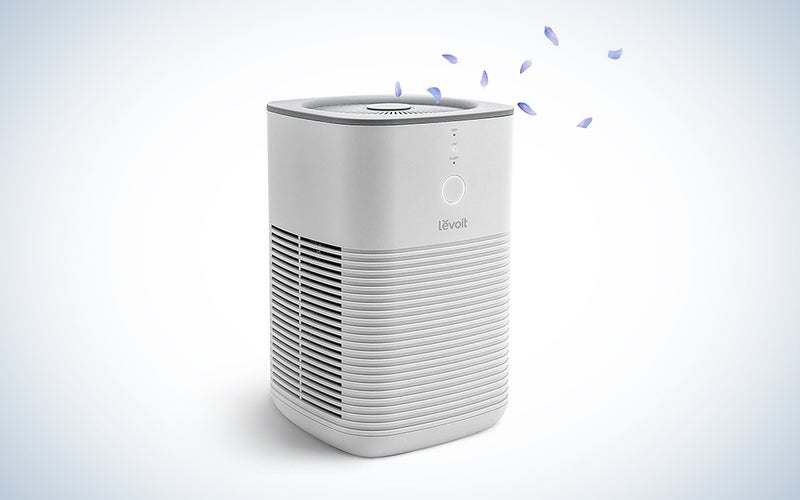
Best for small rooms: LEVOIT Air Purifier for Home Bedroom
Levoit
Why it made the cut: Take this lightweight, compact air purifier from room to room to experience dual-filter, three-stage filtration in your entire home.
Specs
- Recommended room size: 161 square feet
- Dimensions: 6.69 x 6.69 x 10.43 inches
- App connectivity: No
- Max decibels (dB): 52 dB
Pros
- Aromatherapy
- Dual-filter, three-stage filtration
- Specifically targets hay fever
Cons
- Not for large homes
The Levoit promises to help relieve allergies, congestion, and sneezing and is our pick for the best small air purifier. Although we can’t vouch for the unit’s specific efficacy against rhinitis, we can vouch for the fact that it has three filters (one more than most other units): HEPA for dust, pollen, and dander; carbon for odors; and polyester for lint and hair. One fun additional feature is that this one has an aromatherapy option if you’d like a little lavender to help lull you to sleep at night.
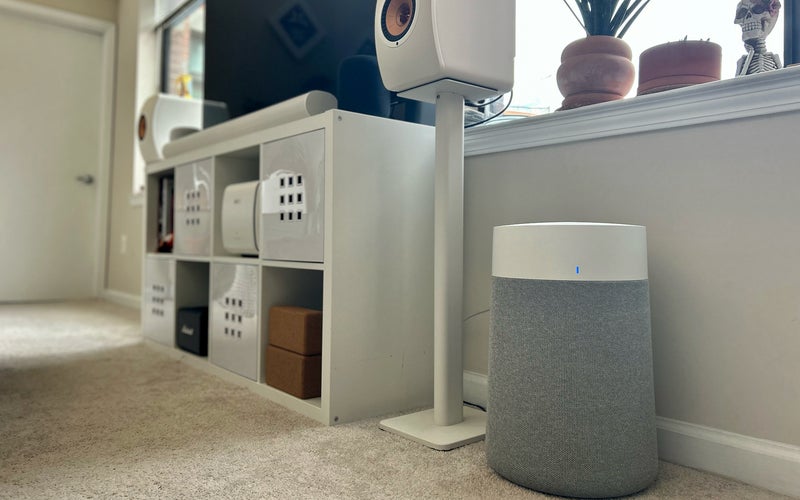
Best for quiet: Blueair Blue Pure 311i Max
Tony Ware
Why it made the cut: Particles down to .1 microns are no match for this quiet-but-powerful air purifier.
Specs
- Recommended room size: Up to 929 square feet
- Dimensions: 19 x 12.5 x 12.5 inches
- App connectivity: Yes
- Max decibels (dB): 50 dB
Pros
- Removes particles down to .1 micron
- Stylish
- App connectivity
Cons
- Reviews note occasional problems with auto-sensing
Blueair makes svelte cylinders with Scandinavian style packed with highly effective electrostatic and mechanical filtration. The Blue Pure 311i Max is HEPASilent but deadly … against microbes in the air. This stylish, small air purifier features five fan speeds and a one-touch auto mode with a fine particles (PM 2.5) sensor to monitor concentration and adjust speed according. This air purifier can clean a 387-square-foot room in 12.5 minutes and a 929-square-foot space in 30 minutes (there are both larger and smaller models, so something for every home). And, it snags all those particles (99.97% of them down to 0.1 micron) all nearly undetected, clocking in at 23 dB on low/night mode—louder than a quiet natural area with no wind but softer than a whisper. And it never runs above 50dB, which makes it QuietMark certified and perfect for a bedroom, TV room, any room … plus it’s only 8 pounds, so it’s easy to move around while you decide between your study and your yoga studio (or realize it’s easiest to buy two).
Is it working? We barely hear it. But we also don’t hear ourselves sneezing and wheezing and complaining about our watery eyes, so we’re going with yes. If we need more confirmation, we can look at a five-color LED that changes according to Air Quality Index (AQI), or we can reference an app that gives insight into indoor vs. outdoor pollution and lets you control mode, tweak LED Brightness, set a schedule, and more (assuming the 311i Max and your phone are connected to WiFi). And if we don’t want it to be working, Google Assistant and Alexa compatibility let us turn it off with voice commands if our phone isn’t convenient (hooray smart-home devices). While some reviews note that the auto-sensing feature is not as accurate as they hoped, we’ve observed the Blue Pure 311i Max react firsthand thanks to a low smoke-point cooking oil incident or two. It was lively even from across a loft apartment—and helped with the post-coming odors. And the washable pre-filter fabric cover (shown above in “Stockholm Fog” color, quietly complementing some audio-video gear) meshed effortlessly with the decor to boot.
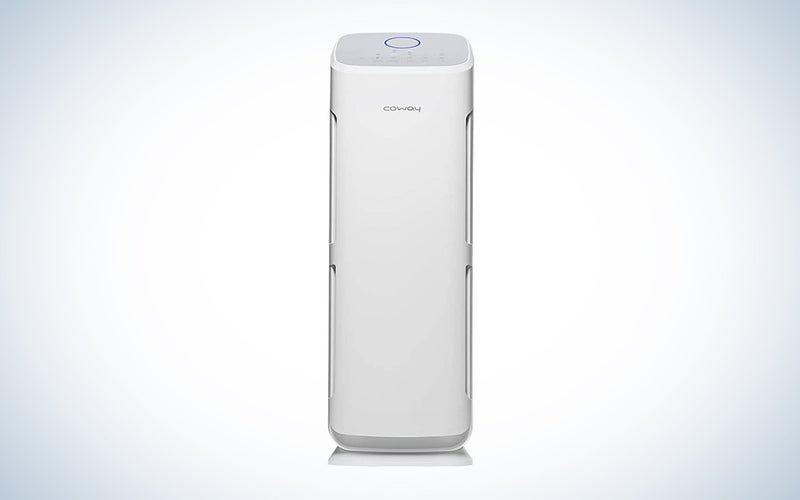
Best HEPA: Coway Tower True HEPA Air Purifier
Coway
Why it made the cut: Stylish-meets-powerful with this True HEPA air purifier that features four levels of filtration.
Specs
- Recommended room size: 330 square feet
- Dimensions: 10.5 × 32.7 × 10.7 inches
- App connectivity: No
- Max decibels (dB): 52 dB
Pros
- Real-time air sensing
- Washable pre-filter
- Air quality indicator
Cons
- Noisier compared to other air purifiers
Multiple fan speeds, a timer, an air-quality assessor, and a filter-replacement indicator light make this the best HEPA air purifier—not just quiet and effective, but user-friendly. At just under $200, it’s neither cheap nor exorbitant for an air purifier, and it’s also aesthetically pleasing. Reviewers note that this air purifier is noisier than most.
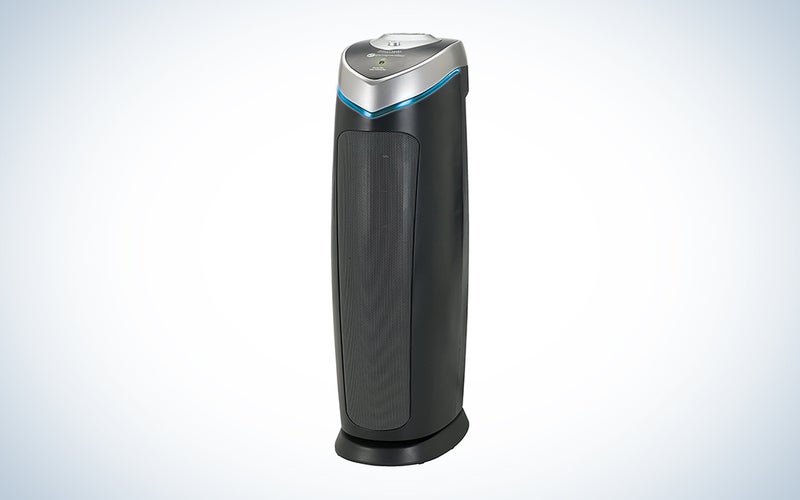
Best with UV light: Germ Guardian True HEPA Filter Air Purifier
Germ Guardian
Why it made the cut: This quiet air purifier uses CARB-compliant UVC light and titanium dioxide to reduce airborne bacteria, viruses, and mold spores.
Specs
- Recommended room size: 153 square feet
- Dimensions: 10.25 x 6.75 x 21.5 inches
- App connectivity: No
- Max decibels (dB): 61.2 dB
Pros
- Quiet
- Reduces odors
- Pre-filter traps allergens
Cons
- UV light can be bad for the environment
UVC light (the most destructive of all the UVs) in an air purifier works as a UVGI—ultraviolet germicidal irradiation—disinfection method by attacking the DNA of cells floating through the air, like mold spores, viruses, and bacteria. (This means, like all other filters, it cannot do anything for particles that have settled into fabric). An activated charcoal filter reduces odors. The 22-inch purifier filters air four times per hour at maximum speed in rooms up to 153 square feet. The four fan speeds, whisper-quiet operation, and CARB compliance make this air purifier an especially good pick for allergy sufferers. California Air Resources Board (CARB) compliance means you can rest easy about its environmental footprint.
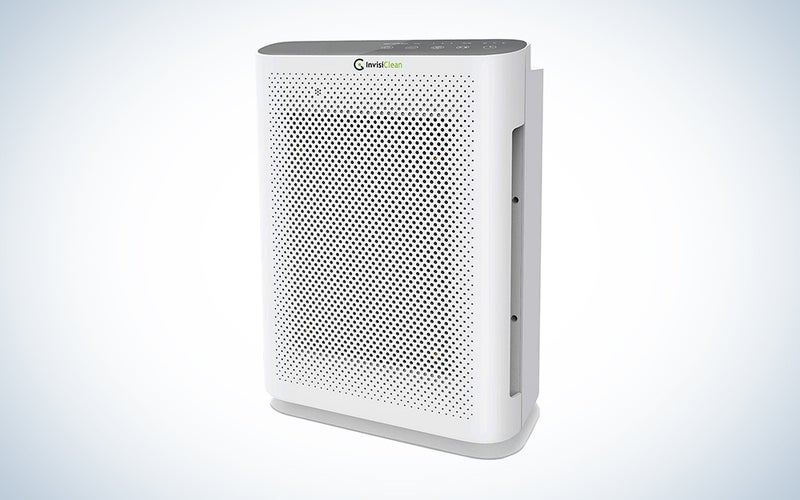
Best for allergies: InvisiClean Aura II Air Purifier
InvisiClean
Why it made the cut: CARB compliance plus four levels of air purification equals an exorcism for your sneezes.
Specs
- Recommended room size: 319 square feet
- Dimensions: 12.34 x 6.25 x 17.75 inches
- App connectivity: No
- Max decibels (dB): 55 dB
Pros
- Four fan speeds
- Quiet
- CARB compliant
Cons
- No auto-sensing
The four fan speeds, whisper-quiet operation, and CARB compliance make this air purifier an especially good pick for allergy sufferers. The California Air Resources Board requires purifiers to produce .050 parts per million of ozone or less, so any device with this certification won’t contribute to unsafe gas levels.
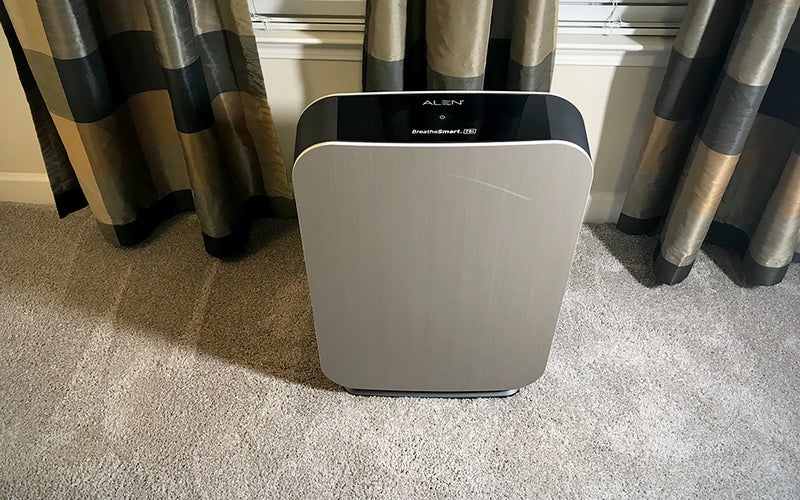
Best for smoke: Alen BreatheSmart 75i
Terri Williams
Why it made the cut: Detailed air quality indicators, a B7-Pure filter, and a CADR of 347 mean that this air purifier will stop smoke in its tracks.
Specs
- Recommended room size: 1300 square feet
- Dimensions: 12 x 19 x 27 inches
- App connectivity: No
- Max decibels (dB): 51 dB
Pros
- 8 colorways
- Quickly cleans large rooms
- Auto-adjusts based on air quality
- Relatively quiet at high speeds
- Can swap out panel colors to match decor
Cons
- Expensive
- Little warranty
- Heavy
This is an easy pick for the best air purifier for smoke, thanks to its CADR of 347 (out of 450). Thanks to automatic air-quality detection, the unit will kick up to turbo when any type of smoke is present. When no irritants are present, the device goes into energy-saving mode. Five air quality colors give you a more detailed visual indicator of air quality—other air purifiers only include three color indicators. It’s also the “best design” pick in our best air purifiers for smoke buying guide, which you should check out if you want to smash smog and fog (and nicotine-addicted neighbors) specifically.
Best for mold: PuroAir 400 HEPA 14 Air Purifier
Amanda Reed
Why it made the cut: Put your mold worries to be with this hospital-grade air purifier.
Specs
- Recommended room size: 2145 square feet
- Dimensions: 17.5 x 10.6 x 12.5
- App connectivity: No
- Max decibels (dB): Not listed
Pros
- HEPA 14 filter
- Easy-to-read air quality monitor
- Lots of trustworthy certifications
Cons
- No app connectivity
- A little noisy compared to other air purifiers
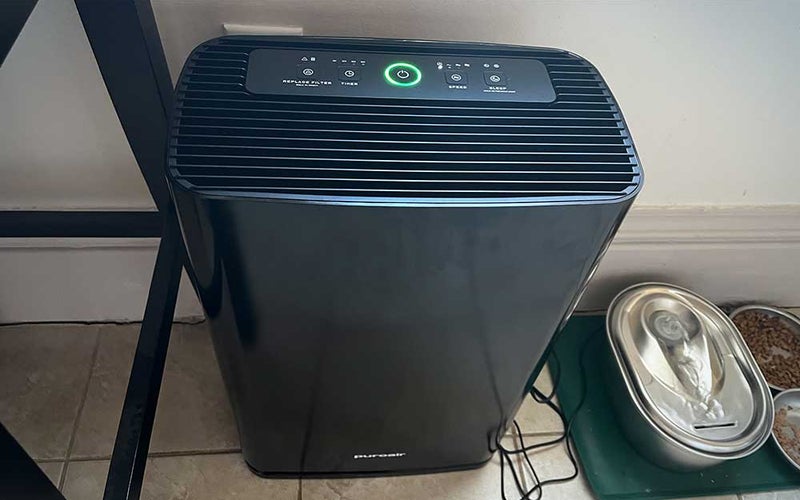
If you’re looking to exterminate mold spores that can make you cough, the PuroAir 400 Air Purifier can do just that, thanks to its HEPA 14 air purifier, which is practically hospital-grade. It’s CARB-compliant, and has ETL, ISO, UL, and Energy Star certifications. This all just means it’s safe to use and energy-efficient. A smart sensor works for you, adjusting power when polluted air is detected.
Our only complaint? It’s a little loud on the lowest setting. I personally moved mine to the kitchen since its gentle whoosh was too distracting in my home office. If you’re looking for something quieter, consider our best overall air purifier for mold, the PuroAir 240 HEPA 14 Air Purifier. It has the same HEPA 14 filter found in the 400 but is whisper-quiet.
Best for pets: LEVOIT Core P350 Air Air Purifier
Abby Ferguson
Why it made the cut: Eliminate “dog smell” from your space without sacrificing features, design, quality, and price.
Specs
- Recommended room size: 218 square feet
- Dimensions: 8.7 x 8.7 x 14.2 inches
- App connectivity: No
- Max decibels (dB): 24 dB
Pros
- Quiet and compact
- Pet Lock prevents pet and child interference
- Lots of settings and controls
Cons
- No app connectivity
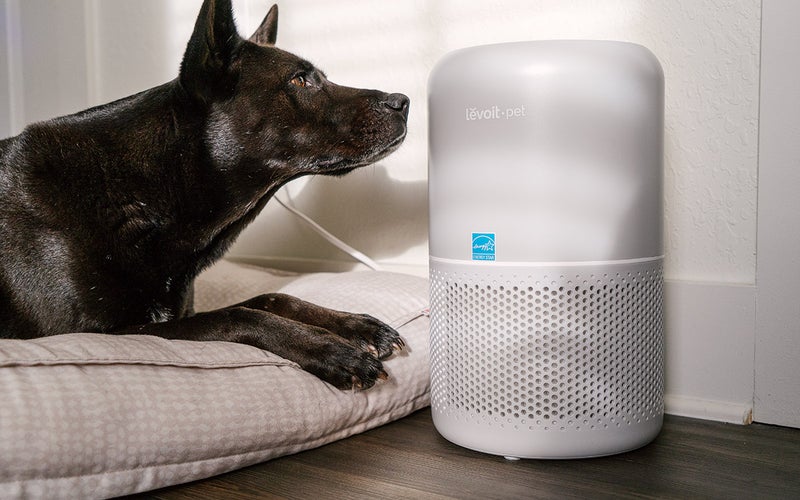
Our pets are often considered family. And just like regular children, four-legged kin can stinky, get hair everywhere, and mess with electronics. Thankfully, the Core P350 is an air purifier made with pet ownership in mind. has a three-in-one filtration system and Pet-Lock to stop hands/paws from meddling with the settings. It’s powerful enough to purify a 219-square-foot room in 12 minutes, but only produces 24 decibels of noise. Three fan settings let you choose filtering speeds, and its night mode is so quiet you don’t even recognize that it’s still on. It doesn’t include app connectivity or air quality sensor, but you can’t beat its price and effectiveness.
Best budget: LEVOIT Air Purifier for Home, Core 300
Amanda Reed
Why it made the cut: This compact air purifier tackles smoke, dust, pollen, bacteria, and viruses without hurting your wallet.
Specs
- Recommended room size: 219 square feet
- Dimensions: 8.7 x 8.7 x 16.25 inches
- App connectivity: No
- Max decibels (dB): 50 dB
Pros
- Filter life indicator
- Timer
- Quiet
Cons
- Louder than other air purifiers
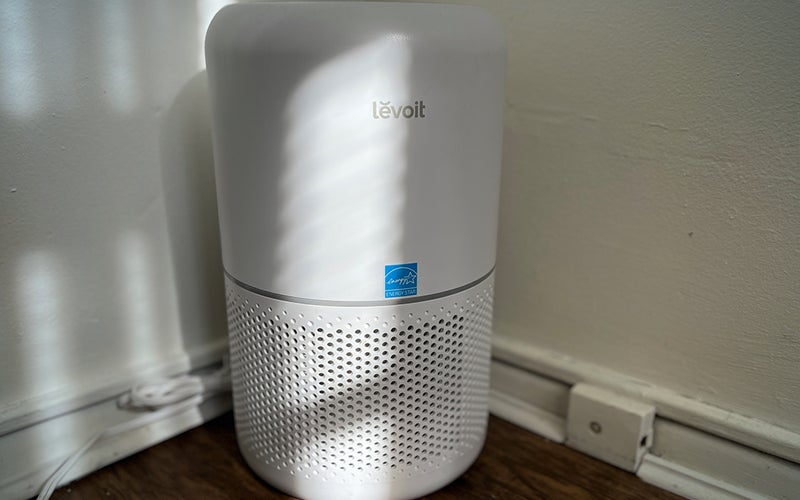
This cheap air purifier targets smoke, dust, and pollen, along with some bacteria and viruses. Four specialty replacement filters include a pet-allergy option and a toxin absorber for particularly smoky or smoggy areas. Like higher-end air purifiers that are more expensive, this Levoit air purifier features timer settings and a sleep mode. And the display lights can be turned off to ensure a pitch-black room when sleeping. Although the air purifier is louder than some competitors, it resembles a whooshing fan at its highest setting—if you can deal with that, this air purifier is for you.
What to consider when buying the best air purifiers
The best air purifier for you might not be the one your best friend or neighbor loves. You want a HEPA filter with a high MERV rating that’s designed to cover the amount of space you have in your particular room or dwelling. Beyond that, consider whether you want other features like pathogen-killing UV light, smart controls, and/or odor elimination. Do you need the best air purifier for pets or perhaps something portable? Air purifiers for mold or models to get rid of smoke? Air filters work only on airborne particles. To get at anything that’s settled into upholstery or rugs, you’ll need a handy vacuum, a helpful robot, or something else that offers deep-clean suction.
Size of space
There’s an alphabet soup to make sense of when choosing the best air purifier for your home. ACH (air changes per hour) correlates to the airflow of your device. It’s calculated based on the volume of your space, ceiling height, and how many cubic feet per minute the device can cover. It’s independent of other factors, e.g., the filter’s efficacy—to calculate that you need the CADR (clean air delivery rate) rating; because a HEPA filter is more efficient, its CADR rating may be lower, which is deceptive.
The most important thing to note is that an air purifier’s efficacy cannot be calculated based on square footage alone. You can find handy calculators online to determine the proper purifier for your needs, but here’s what to consider with any device: Will it successfully rid your home of odors with carbon or other comparable filters? Is it a good choice for pet owners? Does it feature UV light? Read the fine print.
HEPA
You’ve likely heard of high-efficiency particulate air, or HEPA, filters. They are a type of pleated air filter that, according to the Environmental Protection Agency, “can theoretically remove at least 99.97% of dust, pollen, mold, bacteria, and any airborne particles with a size of .3 microns.” The smaller the particle, the more penetrating and nefarious it can be. So when you’re shopping for air purifiers, check out their filters’ MERV rating—the higher the MERV rating, the better it is at trapping the tiniest particles.
Suppose it’s the coronavirus that has you shopping for purifiers. In that case, it should be said that though a HEPA filter should be able to catch a virus of that size, there’s no conclusive proof that an air purifier can kill airborne COVID-19-carrying air droplets. The Centers for Disease Control and Prevention has stated that any room housing a coronavirus patient “should be exhausted directly to the outside, or be filtered through a high-efficiency particulate air (HEPA) filter directly before recirculation.”
If your main concern about your indoor air quality is lingering food or cigarette smoke odors, make sure the model you’re considering specifically targets fumes and other volatile organic compounds. HEPA filters aren’t good at eliminating odors on their own.
The HEPA filter was initially designed to capture radioactive particles when the atomic bomb was being developed because it can capture 99.97 percent of particles as small as .3 microns, which can evade other types of filters. (This is sometimes referred to as “true HEPA,” as European HEPA standards are required to trap only 85 percent of particles.) It works by ensnaring, sieving, and rerouting irritating particles.
A HEPA air purifier is considered the gold standard, but it does have limitations. Any particle smaller than .3 microns—for example, some viruses and VOCs (volatile organic compounds) like aerosols, ammonia, and other toxins—will slip right through. Changing your filter often enough is key. A HEPA filter does a great job of capturing mold. If you don’t change the filter, the purifier can redistribute that mold back into the air.
Allergies
The best air purifiers for allergies depend on your particular triggers because different filters work on different-sized particles. Pet hair and pollen are large particles, dust is medium-sized, and smoke is small. A combination HEPA-carbon filter is your best bet for filtering the maximum number of irritants to help reduce your allergies.
The addition of an ionizer and UV light, if you’re comfortable with it, adds a belt to your proverbial suspenders. Because UV light does create ozone particles, we recommend choosing an air purifier with UV light that’s approved for sale in California.
Smoke
Pollutants—like smoke and soot—can aggravate asthma, irritate your eyes, and stress your lungs and heart. An intuitive HEPA purifier with multiple fan speeds, maximum air circulation, and zero ozone output is the best one for allergy sufferers and people who are sensitive to smoke. The best air purifiers for smoke have a higher CADR rating. This means your device will be better at eliminating smoke and its odor, whether you’re talking about cigarettes, cannabis, or wildfires.
FAQs
Q: How much does an air purifier cost?
Even cheap air purifiers aren’t that cheap—they range between $50-$900. So, chances are, if you’ve found an option within your budget, you don’t need to second-guess it. Go through all the checkboxes you would for a more expensive model: Does it feature a true HEPA filter? Does your air purifier also feature a carbon filter? Is it ozone-free? If the answer to all those questions is yes, then go for it. What you’re likely sacrificing are bells and whistles you may not even need, like WiFi capability or large-space efficacy, but still possibly getting other extras, like low-noise operation and triple filtration.
Q: Should I sleep with the air purifier on?
Sure, there’s no reason not to sleep with the air purifier on! An air purifier contributes to an overall healthy home environment, even while you sleep. In fact, many models feature white noise or overnight modes, so they can continue to work without disturbing you (and possibly even helping you sleep).
Q: Where is the best place to position an air purifier?
The best place to position an air purifier is probably not where you think. Don’t stick it in a corner or behind a piece of furniture to conceal it. Beyond that, if there’s a particular pollutant (smoke, food odor) that you’re trying to combat, place the purifier near it. You want it 3 to 5 feet off the ground—so on a table or sill if it’s not a tower-style—and, whenever possible, near sites of good airflow, like doorways and windows. Moving your purifier from place to place helps maximize its efficacy.
Q: Will an air purifier affect my plants?
Your plants should be safe and sound in the presence of an air purifier, with one exception: models that expel ozone. Otherwise, purified air is good for plants, just like it’s good for humans.
Q: Do air purifiers with UV light really offer extra sanitation?
Opinions on whether air purifiers with UV lights are worth it differ. UV can conquer indoor air particles that escape other filters, like bacteria and viruses, but the EPA has said there’s no way to measure the effectiveness of UV filtration. The UV lights are technically considered pesticidal devices—”an instrument or other machine that is used to destroy, repel, trap or mitigate any pests, including bacteria and viruses”—according to the EPA, and it does not review, and therefore cannot endorse, those. UV light creates potentially harmful ozone, as well, although the amount is small.
Final thoughts on the best air purifiers
- Best overall: Dyson Purifier Humidify+Cool Formaldehyde
- Best for large rooms: Mila Smart Air Purifier
- Best for small rooms: LEVOIT Air Purifier for Home Bedroom
- Best for quiet: Blueair Blue Pure 311i Max
- Best HEPA: Coway Tower True HEPA Air Purifier
- Best with UV light: Germ Guardian True HEPA Filter Air Purifier
- Best for allergies: InvisiClean Aura II Air Purifier
- Best for smoke: Alen BreathSmart 75i Purifier
- Best for mold: PuroAir 400 HEPA 14 Air Purifier
- Best for pets: LEVOIT Core P350 Air Air Purifier
- Best budget: LEVOIT Air Purifier for Home, Core 300
In almost every category, the best air purifiers have true HEPA and carbon filters. Together, they get you the most coverage regarding the breadth of pollutants the purifier will attack. Beyond that, the most important qualities are energy efficiency and picking the right model for the size of your room. Everything else—design, whether the device is app-enabled, UV lighting—is just gravy.
Why trust us
Popular Science started writing about technology more than 150 years ago. There was no such thing as “gadget writing” when we published our first issue in 1872, but if there was, our mission to demystify the world of innovation for everyday readers means we would have been all over it. Here in the present, PopSci is fully committed to helping readers navigate the increasingly intimidating array of devices on the market right now.
Our writers and editors have combined decades of experience covering and reviewing consumer electronics. We each have our own obsessive specialties—from high-end audio to video games to cameras and beyond—but when we’re reviewing devices outside of our immediate wheelhouses, we do our best to seek out trustworthy voices and opinions to help guide people to the very best recommendations. We know we don’t know everything, but we’re excited to live through the analysis paralysis that internet shopping can spur so readers don’t have to.

