One Camera With 40,000 Lenses Helps Prevent Blurry Images
We may earn revenue from the products available on this page and participate in affiliate programs. Learn more › For...
We may earn revenue from the products available on this page and participate in affiliate programs. Learn more ›
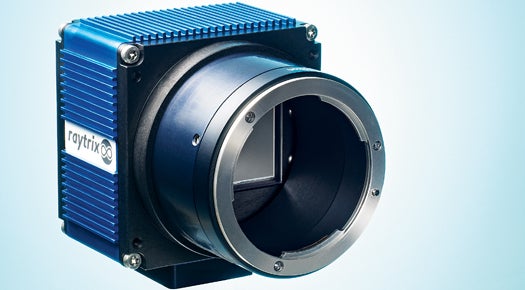
For all its virtues, digital photography has yet to correct one age-old weakness: If you blow the focus, you’ve most likely lost the shot. An emerging lens system, known as plenoptics, will change that. The product of more than a decade of research from Adobe and institutions including Stanford and Indiana universities, plenoptic cameras capture multiple focal settings in one snap, so users can refocus after the fact. The German-made Raytrix R11 is the first mass-produced plenoptic camera available in the U.S._
Click here to browse other gadgets that keep pictures sharp._
Post-shoot refocusing requires a camera that captures thousands of separate paths of light. Plenoptic cameras have an array of micro-lenses on top of the image sensor; the R11 has 40,000. As light travels through those lenses, it fractures into 40,000 separate image fragments. Computer software decodes the files to compose a final image; adjusting the focus is as simple as moving an onscreen slider to tweak the depth of field. Photographers can also view two slightly different angles to create stereoscopic 3-D stills and video.
40,000 Lenses
Such flexibility comes at a cost. The R11’s final image resolution is only three megapixels, and video runs at six frames per second—pretty shabby given the camera’s $30,000 price tag. In a few years though, that may change: Adobe is working on a version of Photoshop that will edit plenoptic images in anticipation of forthcoming consumer-friendly plenoptic cameras.

Mount
Tripod

Grip
Lens