The Future of the Environment

A blueprint for the eco-tropolis of the future with fresh air, pristine water and cheap energy. Plus, 48 audacious ideas to save the planet
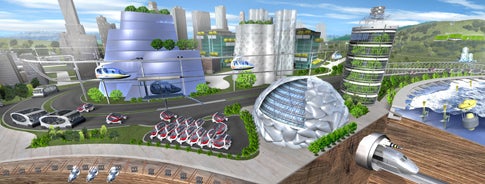
The Green Megalopolis: An eco-savvy blueprint for tomorrow's megacity  Kevin Hand
In our annual Future of the Environment issue, we take a look at the monumental problems facing our world as we continue into the 21st century, as well as solutions ranging from the audacious to the everyday to, quite literally, save the planet.

This year we turn much of our focus toward a bold blueprint for the city of the future. Check out our interactive tour of a future green megalopolis, the 10 most audacious engineering solutions for saving the planet, as well as the most problematic cities, industries, and projects looming on the horizon.

The Good News

A Green Megalopolis: The Plan

What does the eco-conscious megacity of tomorrow look like? Launch our interactive tour to find out

10 Audacious Ideas to Save the Planet

Making a dent in the climate crisis is going to take more than solar panels and recycled toilet paper. Scientists are finding ever more creative ways (pig pee! DIY tornadoes!) to clean up the Earth

Green DIY Guide

It's not too late to reverse the damage. See some bold steps any DIYer can take

Charging Ahead

A smart power strip delivers just the right amount of juice

Riding Clean

Powered by environmentally conscious energy sources, these DIY vehicles put traditional gas guzzlers to shame

Google Earth Environment Guide

Crunching massive, geographical data visualizations used to require expensive mapping software and powerful computers. Now, Google Earth is becoming the go-to application for scientists who need a cheap way to animate huge sets of 3-D data right on their home desktop.

And the Bad News

Ten Problem Cities

Arsenic-laced drinking water, lead-contaminated soils and choking air pollution are sadly just the start in some of the world's dirtiest places

Five Ways You’re Killing the Planet

The everyday actions that are wrecking the environment, and how you can quit.

The Five Dirtiest Industries

See how construction, Hollywood and even your town council are screwing things up

Five Looming Eco-Disasters

Five upcoming projects with potentially devastating environmental consequences

1 Comment

Comments

Article Rating: 
0

The mebrane desalination idea is great! It provides a low tech, minimal moving-part solution to an incredibly important problem. We can kick it up a notch by running it both ways... Build several under water tanks near the plant. The top of the tank contains a turbine for electric power generation and there are ports near the top to seal or open the tank to the outside water. On the bottom is another membrane, just like the one that did the topside desalination. Here is the cycle: 1) Pump water into the processing plant on land. Gravity pulls fresh water through the membrane. Send the salty side back through a tube into the bottom of one of the tanks. Because the super salty water is heavier than the surrounding sea water, it goes to the bottom and normal sea water escapes out the ports. 2) After a predetermined amount of super salty water enters the tank, the ports are sealed. The only way water can leave now is through the turbine. The salty side is now sent into the next tank. 3) Osmosis takes over in the first tank as fresh water flows through the membrane into the super salty water. This is a very forceful process and would increase the volume in the tank pushing water through the turbine. The process would be allowed to continue until the salt differential was too low to produce useful turbine output. 4) The next tank would then be sealed and start producing power.
The only moving parts are the turbines, the ports, and the salty side tank selection manifold. This process could regenerate some of the energy for the pumps. You would not recover any of the energy if you just returned the salty side into the open sea.

0 out of 0 people found this comment helpful
I found this comment 
 

Flickr Block Header

Share your photos in the Pop Sci pool at www.flickr.com!
Current theme: Seasonal Science
Our latest winner

Subscribe for 2 free issues!

may2008_cover.jpg