Can Cellphones Save the World?
We may earn revenue from the products available on this page and participate in affiliate programs. Learn more › With...
We may earn revenue from the products available on this page and participate in affiliate programs. Learn more ›
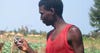
With all the glitz at CES, it can be easy to forget that the best tech does more than look slick: It actually solves real problems. And today I learned that we might be holding a major problem-solver right in the palms of our hands. At a forum on tech and the developing world, humanitarian experts explained how a simple cellphone—whether equipped with Web browsers or just text messages—can become a mini computer that brings business, health, and educational information to people in rural areas of Africa and other emerging countries.
The infrastructure is already there: Cell networks are far more widespread in Africa than are landlines or Internet connections, since it’s easier to set up cell towers than to run cables, and spotty electricity doesn’t affect low-power phones as much as it does computers. And given how many cellphones fill the booths at CES, said humanitarian-slash-entrepreneur Paul Meyer, you don’t need to design new products specifically for developing countries. (Not sure if that’s a dig at the One Laptop Per Child project.) “There’s no reason a doctor in Rwanda needs a cellphone that’s any different from the ones bought and paid for by two billion people around the globe,” Meyer said.
Next up, Meyer predicts, is an explosion of cellphone services in developing areas. His own company, Voxiva, has phone-based programs that help health officials track diseases, among other things. And another speaker, Daniel Annarose, described how cellphones are already helping Senegalese farmers earn a fair wage. Annarose’s company, Manobi, sends farmers text messages that list the market price of their crops, so they no longer have to rely solely on the word of the middlemen who buy their goods and then sell them for a much higher price. Manobi sends out 30,000 text messages a day, Annarose said, and many farmers have doubled their income.
By 2010, Annarose said, half of Africa’s 950 million people will have a cellphone—and maybe life-changing information at their fingertips.—Lauren Aaronson
(Image credit: Manobi)